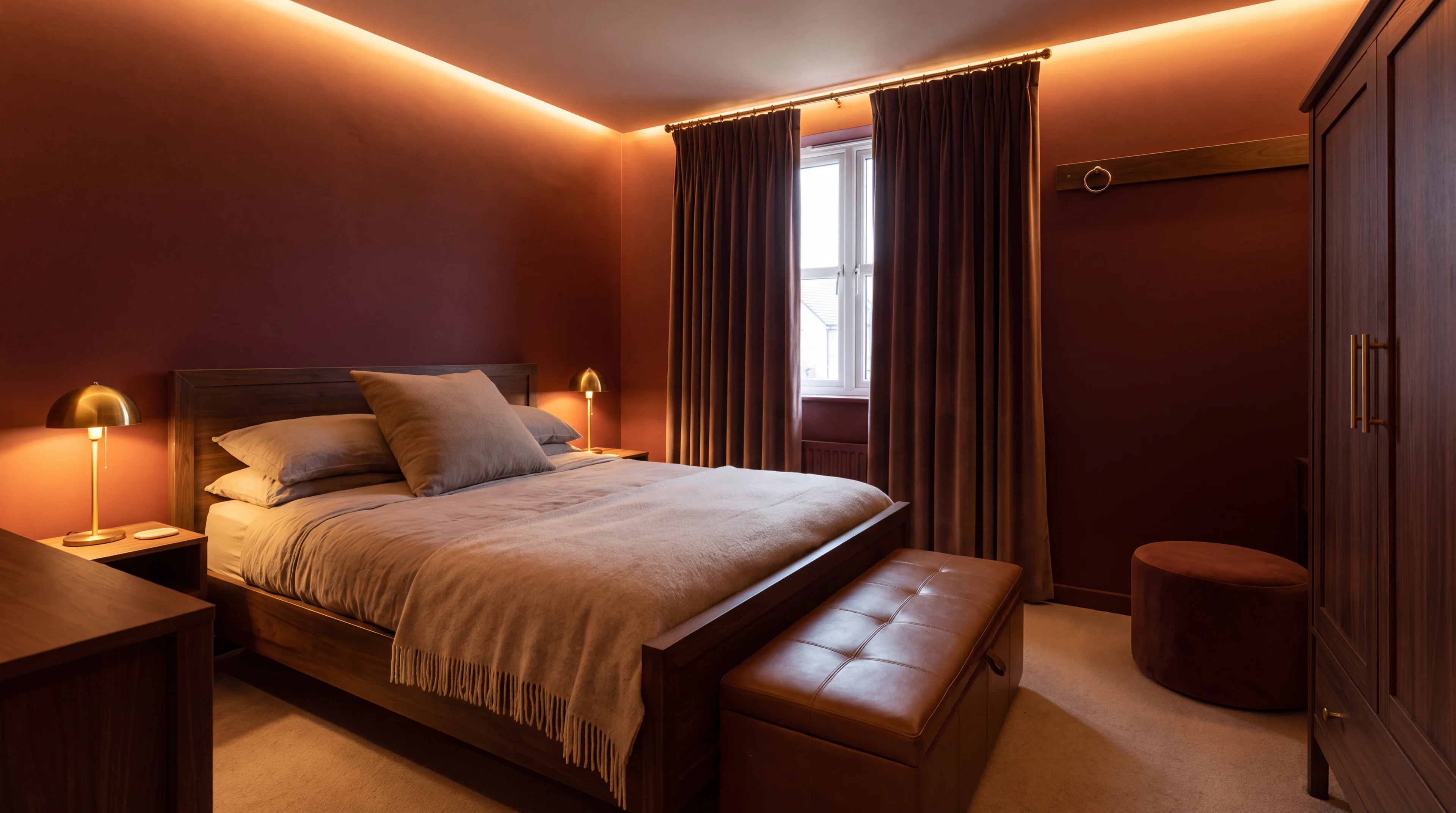
How to turn a room you already have into a room built for play that still looks ordinary when guests come over. Choosing the room, light, sound, furniture, anchor points, storage and cleaning, at three budgets.
Most couples who want a room for play already have one. It's the spare bedroom with the guest bed nobody sleeps in, the half-finished basement, the attic you stand up straight in only in the middle, or the home gym that gets used at six in the morning and then sits dark all night.
The room comes first. Before anyone shops for a bench or a swing, the useful questions are about the space itself. Does the door lock? Can the kids hear through that wall? Will the floor take a heavy piece of furniture? Where does everything go when your sister comes to stay? Get those right and the rest is mostly a matter of taste and budget.
This guide works through it in three tiers: starting with what you already own, a modest weekend, and a dedicated room. Each one builds on the last, so you can start small and keep going if you both like where it's heading. Throughout, the goal is the same. When the door is open, the room should pass as an ordinary room.
The short version
- Pick the room for privacy first. A door that locks, a shared wall you can live with, and some distance from the kids' rooms matter more than square footage.
- Start with what you own. Lamps instead of the overhead, a lock on the door, a fan for sound, one closed box for your things.
- A modest weekend adds warm or colored bulbs, heavier curtains, a rug, a padded bench or ottoman, and a positioning wedge.
- A dedicated room is where bigger furniture and anchor points come in, and where structure and weight ratings start to matter.
- Keep everything put-away-able. If a guest walks in, it should look like a guest room, a den or a gym.
Choosing the room
Most homes offer more than one candidate. A few things decide which one wins.
A door that locks. This is the first requirement and the easiest to fix. A privacy lock on an interior door is an inexpensive, ordinary bit of hardware, and nobody who sees it thinks twice. A room without a real door (a loft, an open basement, a nook off the living room) can still work, but it'll always need more packing away.
Distance from everyone else. Look at what's on the other side of each wall, and what's below and above. A spare room that shares a wall with a child's bedroom is a harder room to use than one at the far end of the hall. Basements are often the most private room in the house, with only a ceiling between you and the kitchen.
Sound. Hard floors, bare walls and an empty room carry sound. Heating vents and ductwork can carry it to rooms you'd never expect. Stand in the room with the door shut and have one of you talk at a normal volume while the other listens from the next room, the hallway and the room below. Our Privacy Check walks through the same test and suggests which fixes to make first.
The floor. Benches, crosses and swing frames are heavy, and the people using them add more. A ground-floor room or a basement on a concrete slab is the easiest home for heavy pieces. Upstairs rooms in most houses handle ordinary furniture loads without trouble, but an old house, a converted attic or a floor that already bounces when you walk across it is worth a second opinion before something heavy goes in. If you're not sure, ask a contractor. You can call it "a heavy weight bench," which is often exactly what it is.
Comfort. Attics run hot in summer and basements run cold and damp. A room you don't want to be in at night won't get used, so think about a space heater, a fan or a dehumidifier before anything else.
Who else uses it. A guest room that sees visitors twice a year is a different project from a home office used every weekday. The more the room is shared, the more your choices should lean toward things that fold, close or pass as furniture.
Tier one: start with what you own
This tier costs close to nothing, and for a lot of couples it turns out to be most of what they needed.
- Clear the room. Move the boxes, the laundry and the treadmill-turned-coat-rack somewhere else. An empty room feels very different from a storage room.
- Turn off the overhead light. Bring in the lamps you already have from other rooms and put them low, on the floor or a side table.
- Lock the door. If it doesn't lock, fixing that is the one purchase worth making right away.
- Make some noise. A box fan or a speaker by the door, playing music or plain noise, covers more than you'd expect.
- Use what's there. The guest bed, a sturdy footstool, spare pillows and a couple of old towels for the bed are a perfectly good start.
- One closed place. A lidded box or a drawer you claim as your own keeps your things together and out of sight.
If you're already using a few toys, this is also when to give them a proper home. How to store sex toys discreetly covers it in detail.
Tier two: a modest weekend
This is where the room starts to feel deliberate. A weekend and a few hundred dollars covers most of it.
Light. Swap the bulbs in your lamps for warm, dim ones, and add a dimmer so you can bring the room down without getting up. More on this below.
Fabric. Heavy curtains block streetlight and soften sound. A thick rug under the main area quiets the floor and gives knees somewhere kinder to land.
One good piece of furniture. A padded storage bench or an ottoman is the most useful single purchase at this stage. It's a seat, a surface, a place to kneel or lean, and storage, all in something that looks like it came from an ordinary furniture store.
Positioning support. A firm foam wedge does a lot for comfort and looks like a cushion. More on this below too.
A plan. If you're not sure what fits, the Room Designer lets you place pieces in a plan of your actual room and see the shopping list add up before you buy anything.
Tier three: a dedicated room
A dedicated room is one the two of you control, where bigger pieces can stay out and you're not packing everything away after each evening. This is where specialist furniture, a swing or a cross, and permanent anchor points come in.
It's also where mistakes get expensive. Big pieces ship by freight, take an afternoon to assemble, and are hard to sell on. Measure the room and the route in, and read choosing BDSM furniture that lasts before you order. It covers build quality, weight ratings and what to look for in attachment points.
Even a dedicated room benefits from looking ordinary from the doorway. Visitors, contractors and the occasional plumber still need to come in sometimes. A fitted cover on a bench, a closed cabinet and a layout that keeps the biggest piece out of the line of sight from the door go a long way.
Light
Light is the cheapest way to change a room, and the one that changes it most.
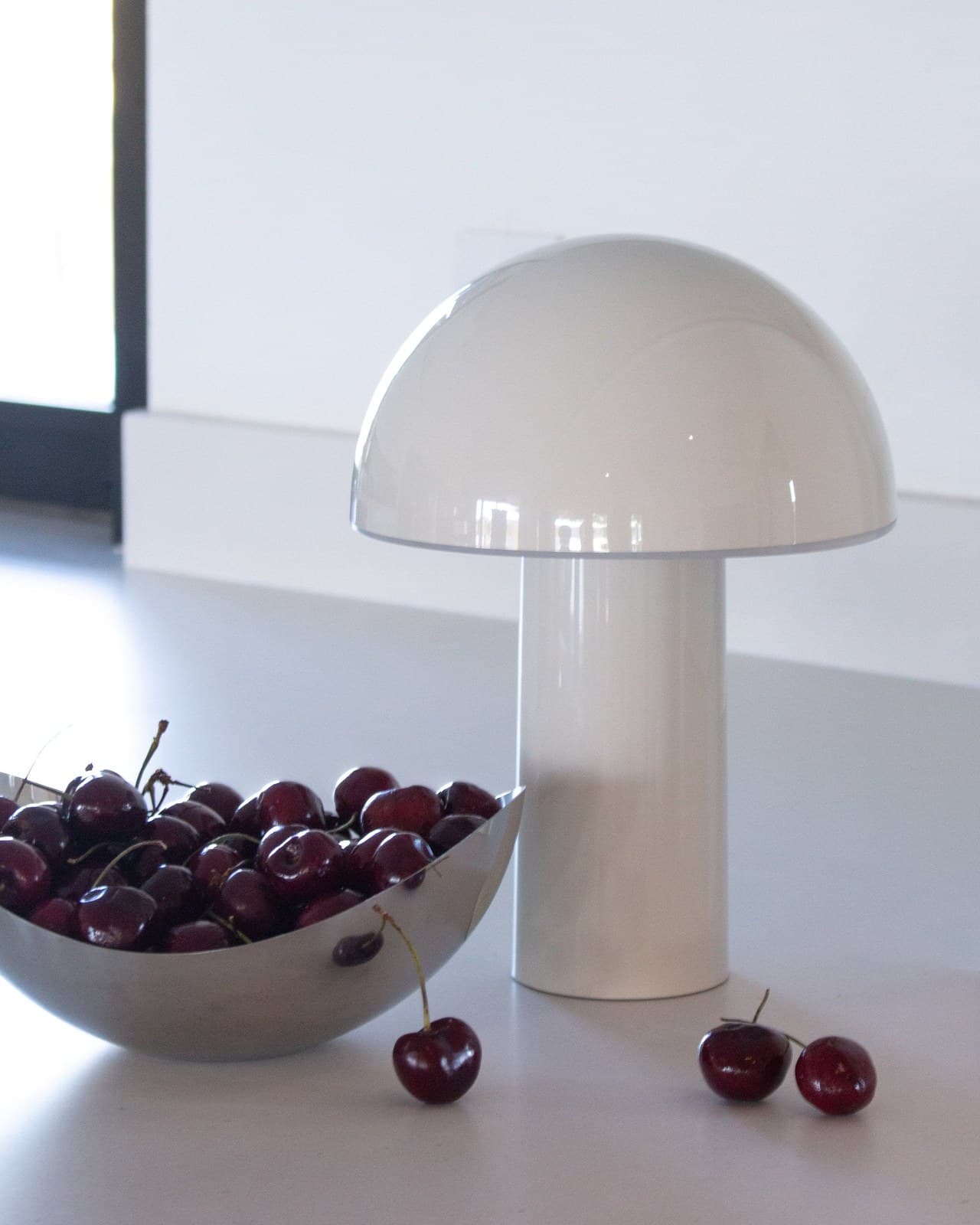
Kill the overhead. Ceiling lights flatten a room and make everyone look tired. Lamps placed low and around the edges make the same room feel smaller, warmer and private.
Go warm. Bulbs around 2200K to 2700K give a soft, candle-colored glow. Amber bulbs go lower still.
Add a dimmer. A plug-in lamp dimmer lets you bring the whole room down from wherever you're sitting, with no wiring.
Try color, a little. Red and deep amber light is flattering, hides the rest of the room in shadow, and is the light most people picture for a room like this. A little goes a long way. One colored lamp alongside warm white ones looks moody. Every bulb in red can feel like a darkroom. Smart bulbs make this easy, since the same bulb can be a plain reading light in the afternoon and red at night, and a guest only ever sees the plain version.
Let it set itself. If you have smart lights, Set the Scene can bring the room to the right light, and music, with one tap, so the change from ordinary room to your room takes seconds. For more on warmth and layering, see lighting a bedroom for intimacy and the lighting planner.
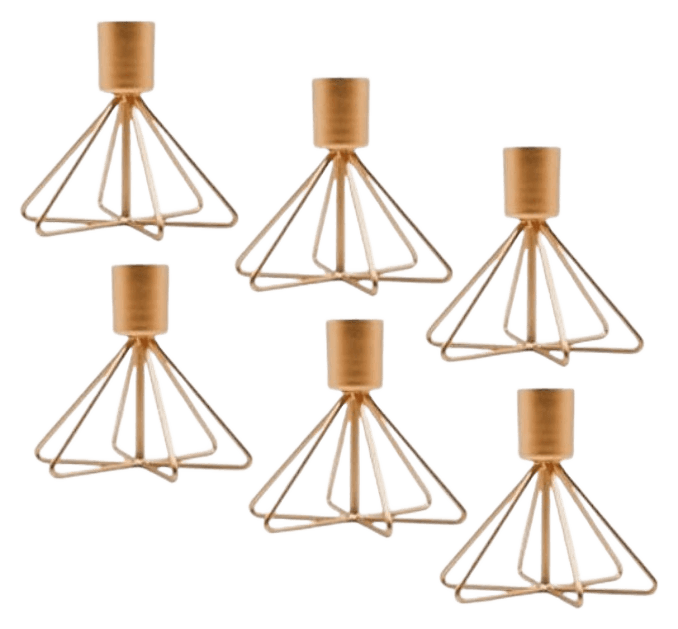
Skip open candles in a room full of fabric, rope and bedding. Flameless candles give the same glow with nothing to knock over.
Sound and privacy
Sound is usually the real limit on how relaxed anyone feels in a shared house. A few fixes do most of the work:
- Cover the gap under the door. A door sweep or a draft stopper blocks more sound than you'd guess.
- Add soft surfaces. Rugs, curtains, upholstered furniture and a full bookshelf on a shared wall all absorb sound that bare walls bounce around.
- Mask what's left. A fan or a white noise machine just outside the door, or music inside, covers voices and creaks.
- Move the furniture. Keep the bed or bench a few inches off the shared wall so it can't knock against it.
Our guide to privacy and soundproofing, sensibly goes further, including what's worth doing in a rental and what isn't worth the money anywhere.
Visitors, contractors and the occasional plumber still need to come in sometimes.
Furniture that doubles as ordinary
The best pieces for a shared room do a second job in plain sight. A few that earn their space:
A padded bench. At the end of a bed or against a wall, it's seating. At night it's a place to kneel, lean or lie across. One with storage inside holds a lot.
An ottoman. A sturdy, padded ottoman is a footrest, a seat and a surface, and the right height for a lot of things. Check that it's built to hold an adult's full weight.
A wedge or ramp. Firm foam positioning cushions take strain off backs and knees and make angles easier. In a velvet or microfiber cover they read as a decorative cushion or floor pillow. Our guide to choosing positioning furniture explains the shapes and what each one is for.
A daybed or guest bed. If the room is also the guest room, a daybed is useful. It reads as a couch, sleeps a visitor and gives you a second surface.
The real thing, when you're ready. A purpose-built bench is sturdier and has proper restraint points bolted through the frame. Under a throw it becomes an anonymous upholstered shape. The ER obedience bench review covers one that suits a dedicated room.
For more ideas, discreet intimate furniture covers pieces built to pass for ordinary.
Anchor points, carefully
Sooner or later most couples with a dedicated room want something to attach to: a ring for cuffs, a point for a swing, a frame. This is the one part of the room where getting it wrong can hurt someone, so it deserves care.
Start with options that need no drilling. Under-mattress restraint straps, door anchors that sit over a closed, solid door, and freestanding swing frames all give you attachment points without touching the structure of your home. For renters, or anyone unsure about their walls and ceiling, they're the right first step.
Furniture with built-in points. A bench or cross from a reputable maker comes with its attachment hardware bolted through the frame and a stated weight rating. That's usually a safer way to get anchor points than adding your own.
Anything fixed to the ceiling or wall needs real structure. A ceiling point has to go into a confirmed structural joist, with hardware rated for a person's weight and for movement, installed exactly as its maker says. A wall point has to go into a stud. Drywall, plaster, anchors and toggle bolts are never enough, and neither are light fixtures, pipes, curtain rods or decor hooks. If you can't positively identify a sound joist or stud at the spot you want, or the ceiling has trusses, engineered joists or plaster, call a contractor.
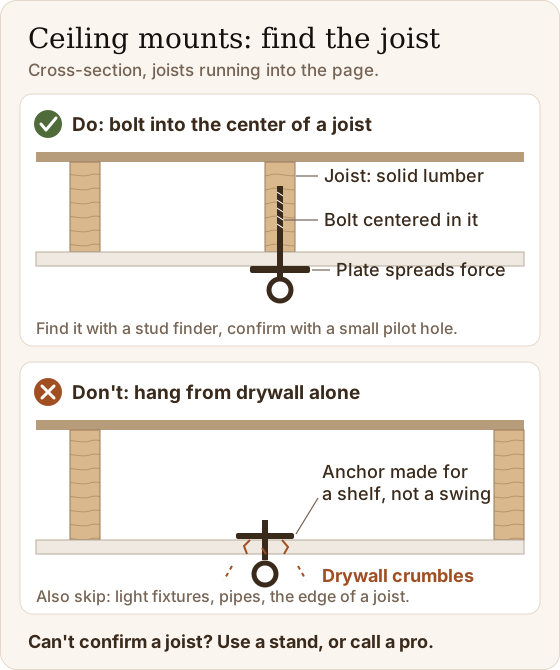
Our guide to sex swing safety goes through door, stand and ceiling mounts in detail, including how to check a ceiling and what never to hang anything from. Read it before you drill anything.
For anything involving restraint, the rest of the safety picture matters just as much as the hardware. Keep a pair of safety shears within reach, agree on a stop word, and never leave anyone alone while they're restrained.
Starting with restraints, safely covers the habits worth building from day one.
Storage
The difference between a room that passes as ordinary and one that doesn't is usually a closed door on a cabinet. Plan storage before anything else goes in.
- Closed, not open. Shelves look like a display. Drawers, cabinets, trunks and lidded boxes look like storage.
- Lockable, if anyone else is ever in the house. A lockable case or a cabinet with a lock is the simple answer for kids, guests and house cleaners.
- Sorted. One pouch per toy, chargers kept with their toys, and restraints and rope in their own bag. You'll find things faster and they'll last longer.
- Close at hand. Keep the things you use most where you can reach them without crossing the room.
A storage bench or ottoman counts twice here. It's furniture and a cabinet at once.
Cleaning
A room used for play needs a slightly better routine than a guest room, and not much more.
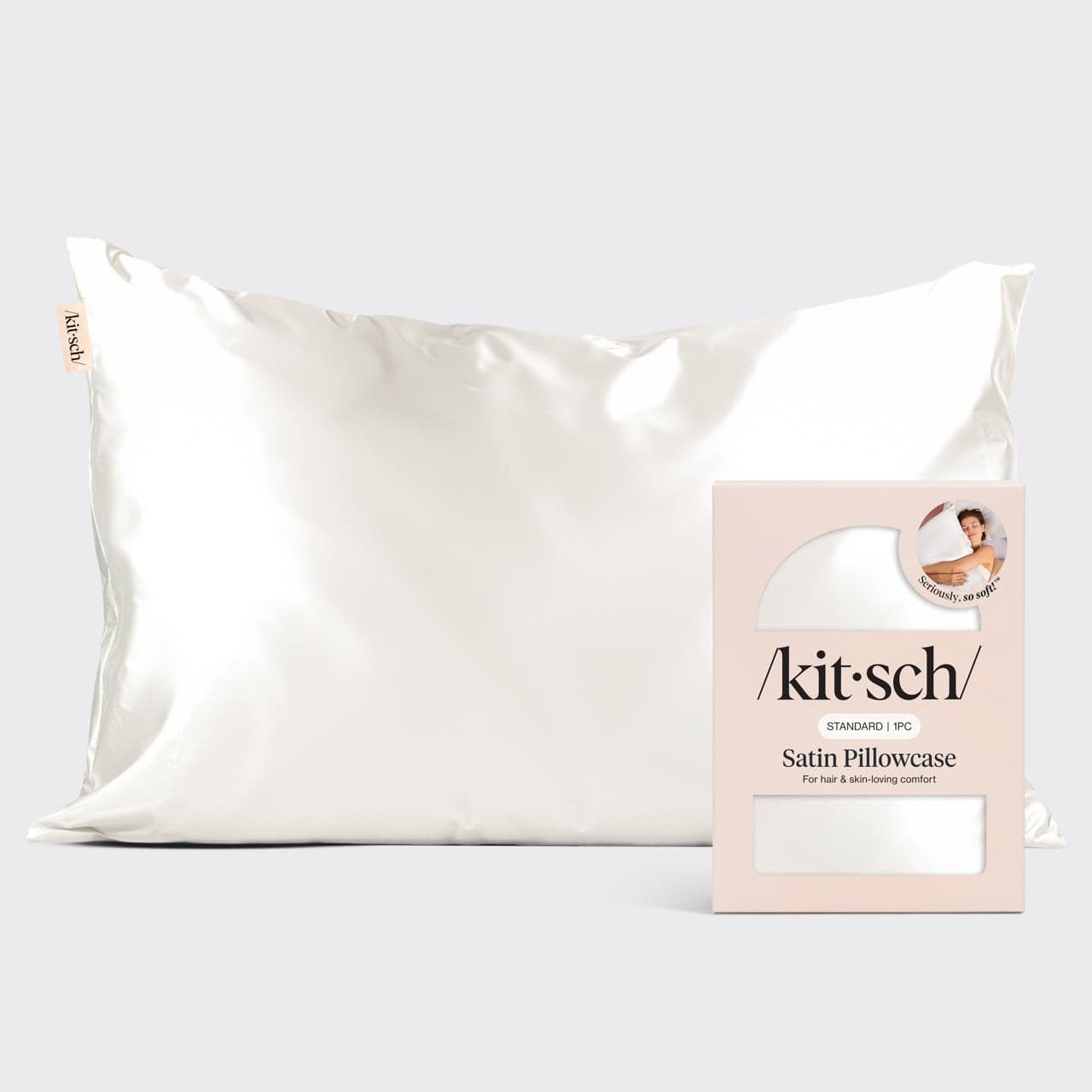
- Protect the surfaces. Washable covers on benches and cushions, a waterproof throw for the bed or daybed, and a stack of dark towels kept in the room.
- Wipe down after use. Vinyl and finished wood wipe clean easily. Fabric needs removable, washable covers. The care page for leather and wood furniture covers the upkeep.
- Clean toys before they go away. Wash each piece the way its material calls for and let it dry fully. Our guide to body-safe materials and cleaning covers the specifics.
- Check the hardware. Bolts loosen and straps wear. A quick look before use catches most problems.
The guest test
Once the room is set up, try this. Open the door, step back into the hall and look in the way a visitor would. Then walk in and look around the way a curious one would.
What do you see? A bench, a rug, a couple of lamps and a closed cabinet look like a guest room or a den. A ring in the ceiling looks like a hook for a hanging chair or a plant, as long as nothing is hanging from it. A stand with a wedge on it looks like a cushion.
What gives it away is usually small: a cuff left on the floor, a charger cable for something unusual, a red bulb in the ceiling fixture, a bottle on a shelf. Make putting those away part of the end of every evening, and the room passes on short notice. The ten-minute room reset turns that into a habit, and making a dual-use room guest-ready covers the bigger visit, when someone is actually sleeping in there.
A home gym that works the night shift
A home gym is one of the easiest rooms to convert, and it hides the change better than almost anything else. This means a real gym, not a bedroom with a treadmill in the corner. The room is for training in the morning, with a weight bench or a rack, mats on the floor, a mirror on the wall, and a door that closes.
Look at what's already there. A padded weight bench is solid, adjustable and built to take a person's weight. Rubber mats make the floor cushioned and easy to wipe clean. A wall mirror is a wall mirror. A freestanding frame built for swings and yoga hammocks reads as fitness equipment, because that's one of the things it's for. Storage cabinets for bands and straps hold other bands and straps just as well.
At night, the overhead goes off and a couple of lamps on warm or red bulbs come on. A throw goes over the bench, the cabinet opens, the music starts. In the morning it's a gym again, and anyone who looks in sees a gym.
The same rules apply here as anywhere. Gym equipment is rated for exercise, so check that a bench is stable and rated for how it'll be used, and don't hang anything from a pull-up bar or a rack unless its maker rates it for that load. Our Athletic Studio style shows the look, from the gym by day to the room after dark.
Pick a look, then plan it
Once you know the room, choosing a style keeps the purchases pulling in one direction. Dark wood and leather suit The Study. Steel and black upholstery suit Modern Noir or an Industrial Loft. With Braise Unlimited, the members' playroom goes piece by piece through what each one is for and how to start safely.
Then sketch it out in the Room Designer before you buy, and keep a running total with the budget planner.
Common questions
Can a guest room double as a playroom?
Yes, and it's one of the most common setups. Choose furniture that reads as ordinary (a daybed, a storage bench, an ottoman), keep everything else in closed, lockable storage, and do a quick sweep before anyone stays over.
What's the cheapest way to start?
Lock the door, turn off the overhead, bring in a couple of lamps with warm bulbs, and run a fan or music for sound. Most of the change in the room comes from those few things.
Can I put a ceiling hook in myself?
Only into a confirmed structural joist, with hardware rated for a person's weight and movement, installed as its maker specifies. If you can't confirm the joist, or there are trusses, engineered joists or plaster involved, call a contractor. A freestanding frame needs no drilling at all. Sex swing safety covers it step by step.
Is a basement a good choice?
Often the best one. Basements are usually the most private room in the house, and a concrete floor takes heavy furniture easily. Watch for damp, cold and sound traveling up through the ceiling and ductwork.
Keep reading
- Turning a spare room into a private retreat: the gentler version of the same project
- Choosing BDSM furniture that lasts: build quality and weight ratings for bigger pieces
- Sex swing safety: door, stand and ceiling mounts
- Your first BDSM starter kit: what to put in the room first
- The dual-use room: rooms that switch between daytime and night
- Talking about boundaries and safewords: the conversation that comes before any of this
Scenes to try
All scenesScenes are ideas for an evening at home, each tied to a room style, with a pause word built in.
Small things, well chosen
A few small pieces that do a lot of what this guide describes, each one easy to add to a room this week.

Picked by us, never paid for. We may earn a small commission if you buy.