Listen to this guide
10 min · Read by Vesta, Braise's AI host.
No spare room? A wall bed and a few convertible pieces turn a home gym or office into a private retreat in minutes, and back again by morning.
Not every home has a room to give over to intimacy, and it turns out you don't need one. A dual-use room converts on demand. It might be a home gym or an office, or the guest room that sits empty most of the year. During the day it earns its footprint doing its usual job, and in the evening it becomes a private retreat the moment you want it to.
Done well, the constraint stops feeling like a compromise. Below: the wall bed, the furniture around it, and the switch between the two, which matters more than people expect. When someone is coming to stay, the guest and kid switch is the five-minute routine for the visit.
The wall bed: Murphy beds for small rooms
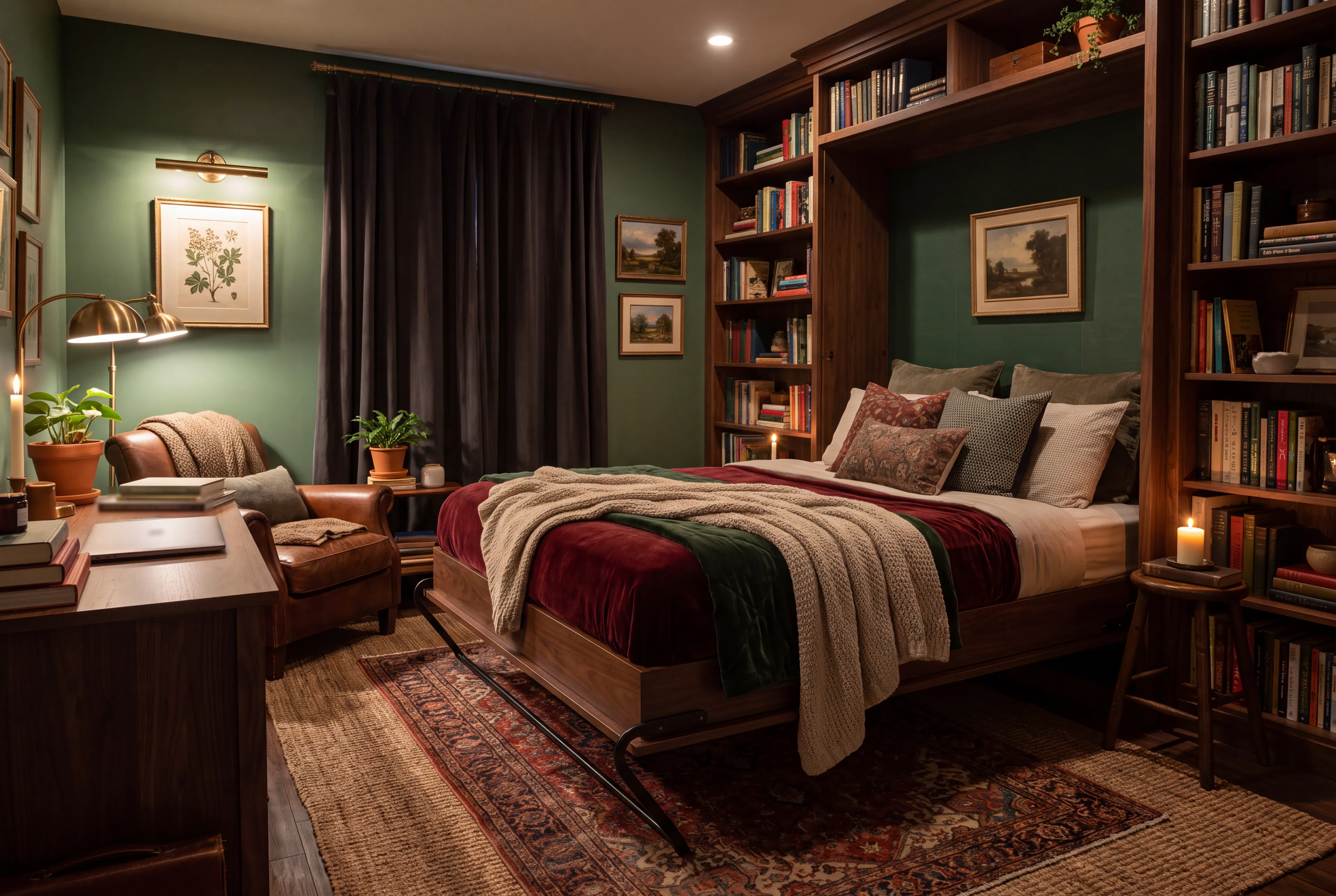
The piece that makes a dual-use room work is a wall bed. A modern Murphy bed folds flat against the wall in seconds, often behind a cabinet face that reads as built-in joinery. It hands you back the whole floor for a desk or a rack of weights. Folded down, it's a real bed with a real mattress, nothing like a sagging fold-out couch.
What to look for
- A smooth lift. Gas-piston or well-balanced spring mechanisms let one person raise and lower the bed with one hand. Try one in person if you can.
- A deep enough cabinet. The cabinet depth decides how thick a mattress you can use. A proper mattress is the difference between a bed you enjoy and one you tolerate.
- A solid frame. Look for a sturdy platform and a frame that doesn't flex or creak. The bed will see more than sleep.
- Built-in extras. Some designs include a fold-down desk on the front, which stays level as the bed opens, or flanking towers with shelves and closed storage. If you want the piece to work twice, these are worth it.
Vertical or horizontal
Vertical wall beds lift foot-first, standing the bed on end against the wall, and suit most rooms. Horizontal ones fold sideways and suit rooms with low ceilings or a window above the spot. Measure the ceiling height and the depth of the bed when it's open before choosing.
Measure for the bed when it's open
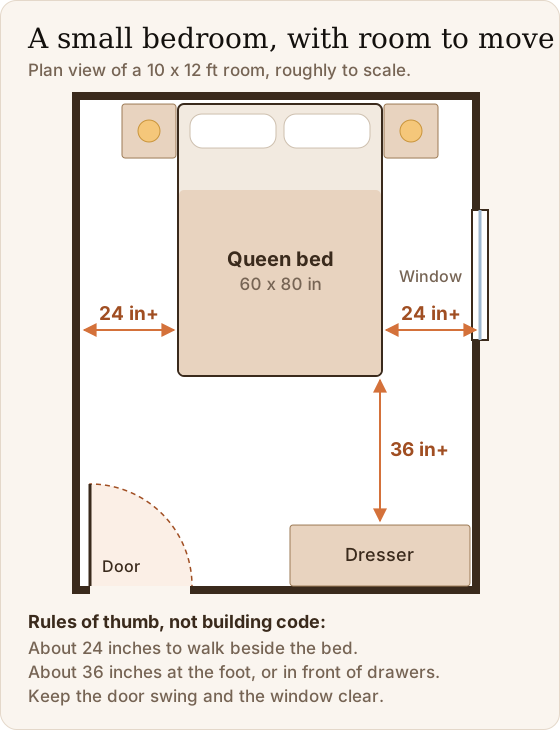
A Murphy bed needs room twice: against the wall when it's closed, and out across the floor when it's down. Before you shop, measure:
- Ceiling height, for a vertical bed, which stands the mattress on end when it's closed.
- The open depth, from the wall to the foot of the bed when it's down. Makers list it for each model, and it's usually a few inches more than the mattress length.
- A walkway at the foot, about 24 inches at least, and room to stand beside the bed while you lower it.
- Anything in the swing. A desk chair, a floor lamp or a rug with a thick edge all need somewhere to go.
The Bed Fit Check shows the bed down in your room, with the walkway left on every side.
Installation matters
A wall bed must be anchored to the wall exactly as the manufacturer specifies, usually into studs. An unanchored or poorly anchored cabinet can tip when the bed is lowered. Follow the instructions and weight limits for the mattress, and if you're not confident about your walls, have it professionally installed. Many retailers offer installation, and our on-site consultations include sourcing and an installation checklist that says what needs a licensed pro.
Build the rest of the room to switch with it
The wall bed handles the biggest change. The rest of the room should follow its lead.
Storage that hides in plain sight. A storage bench or ottoman at the foot of the bed hides toys and a folded throw. During the day it's a seat. A locking cabinet keeps the room company-ready in about a minute.
Furniture with a daytime alibi. Choose pieces that have an obvious daytime use. A padded bench reads as a workout bench. A sturdy stool sits at the desk. A firm wedge in a neutral cover looks like a floor cushion. These are examples of dual-purpose furniture, and our guide to choosing positioning furniture covers the pieces that blend in best.
Casters on anything heavy. Lockable casters let the room reconfigure without a fight. Lock them before anyone puts weight on the piece.
Dedicated pieces need a plan. If you're considering larger furniture like a bench or frame, think about where it goes during the day. Our guide to choosing BDSM furniture that lasts covers footprint and discretion.
Design for the transition
It's tempting to design the two end states and stop there. The part that decides if you actually use the room at night is the switch between them.
- Keep the swing arc clear. Nothing should block the bed coming down. Mark the floor area in your head and keep it empty.
- Put intimate lighting on its own circuit. A smart switch or a separate dimmer for warm lamps means a single tap moves the room into evening without touching the overhead. Our guide to lighting a bedroom for intimacy has ideas.
- Keep the soft goods in one bin. Sheets, a throw, and a rug you can roll out warm a hard-edged room fast. Store them together in a closed bin so the change takes seconds.
- Plan where the daytime things go. A laptop, a stack of mail, or a pile of weights in view breaks the mood. Give each a home that closes.
Room by room
The home gym
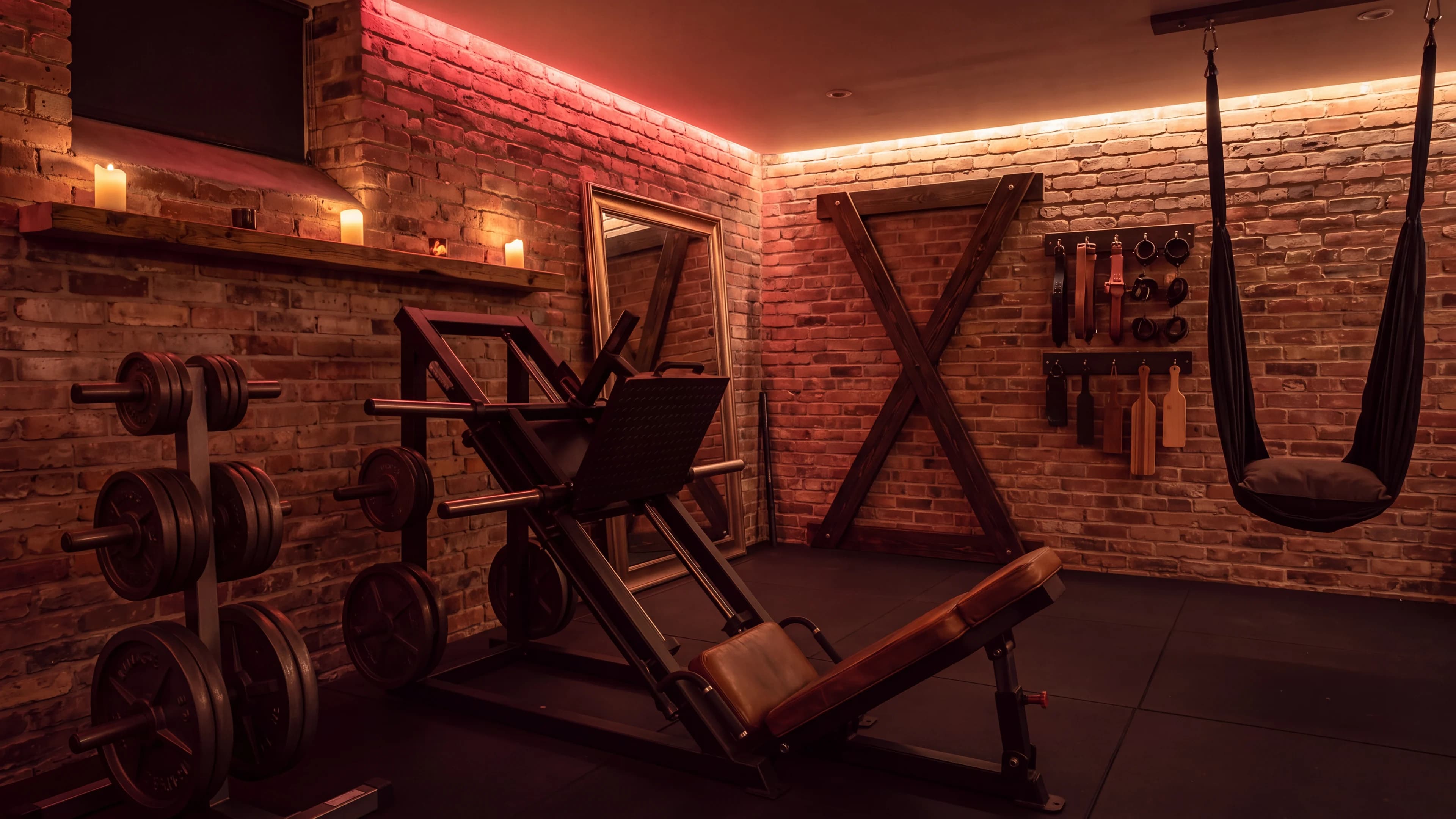
Gyms are hard-edged rooms, all rubber flooring and metal. A rug and a throw soften them quickly. Rack weights against one wall and keep the space in front of the wall bed clear. The Athletic Studio style was built for exactly this kind of room, and Industrial Loft works with exposed materials too. Mirrors can stay, but think about what they show.
The home office
The office has the most visual clutter, with cables and paperwork everywhere. A wall bed with a fold-down desk solves the furniture, but put the screen away or turn it to the wall at night. A closed cabinet for papers does the rest.
The guest room
Guest rooms are usually the easiest to convert, since they're already set up for sleeping. The issue is storage. Keep anything private locked when guests are staying, and have a plan for the room being off-limits to you for a few days. The guest and kid switch makes the room look ordinary in about five minutes, and back again. And if the guest room sits empty most of the year, turning a spare room into a private retreat takes the idea further.
Anticipation is part of desire, and a dual-use room gives you a small ceremony for free.
Privacy
A converted room needs the same privacy as any bedroom. Fit a lock on the door if there isn't one. Heavy curtains and a rug both soften sound. Our guide to privacy and soundproofing covers renter-friendly fixes.
The quiet advantage
A room you convert on purpose has a ritual built into it, and almost nobody mentions that benefit. Folding the bed down, dimming the lights, rolling out the rug, closing the door. That sequence is itself a signal, a clear line between the day that just ended and the evening that's beginning. Anticipation is part of desire, and a dual-use room gives you a small ceremony for free. The wall that held your bike an hour ago is now the most private place in the house.
Common mistakes
Buying a wall bed without measuring. Check ceiling height, the depth when open, and the clear floor needed in front of it.
A thin mattress. It saves a little money and costs a lot of comfort.
Skipping the anchoring. Safety comes first with any wall bed.
Leaving the daytime room in view. If the desk is still covered in work at night, the room won't feel like a bedroom.
The transformations gallery shows how one ordinary room can turn into very different intimate spaces. To plan your own, the Room Designer lets you place a wall bed and the rest in a plan of your real room. If your space is small as well as shared, read designing intimacy into a small bedroom next.
Common questions
Are Murphy beds comfortable?
They can be as comfortable as a regular bed, because a good one takes a real mattress. The limit is the cabinet's depth, which decides how thick a mattress fits, so check that first.
Do Murphy beds need to be attached to the wall?
Yes. A wall bed has to be anchored exactly as the maker specifies, usually into studs, or the cabinet can tip when the bed comes down.
Should I get a vertical or a horizontal Murphy bed?
Vertical beds suit most rooms. Horizontal ones fold sideways, so they suit low ceilings or a spot under a window.
Can a Murphy bed go in a rental?
Only with the landlord's permission, since it has to be anchored to the wall. A daybed or a good sleeper sofa is the no-holes alternative, and the guest and kid switch compares the three.
Scenes to try
All scenesScenes are ideas for an evening at home, each tied to a room style, with a pause word built in.


Small things, well chosen
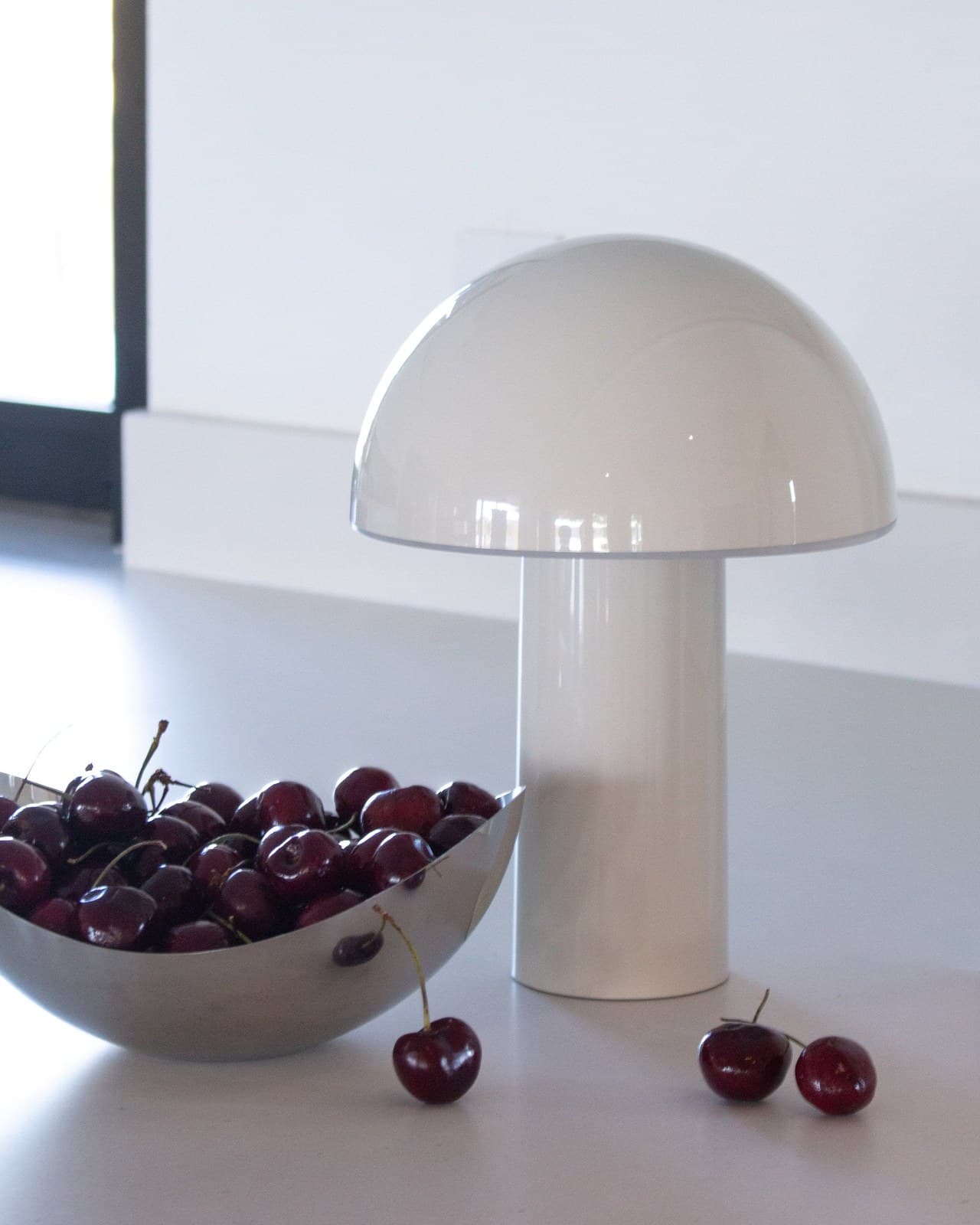
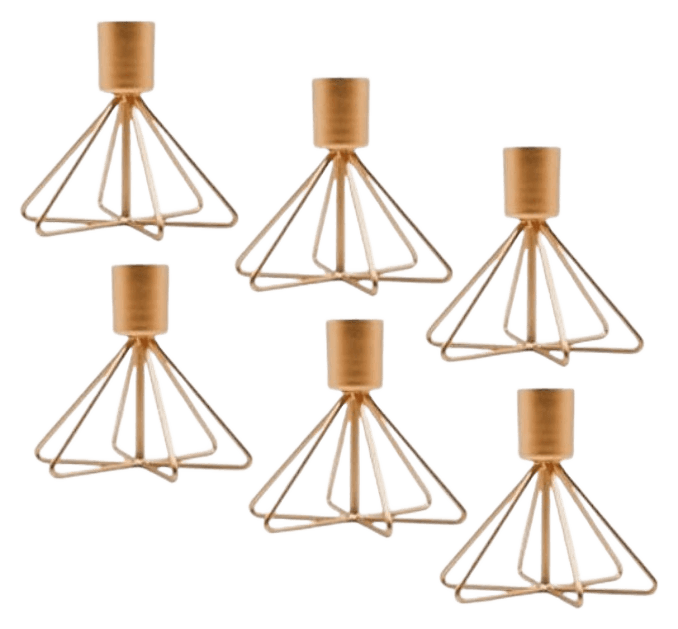
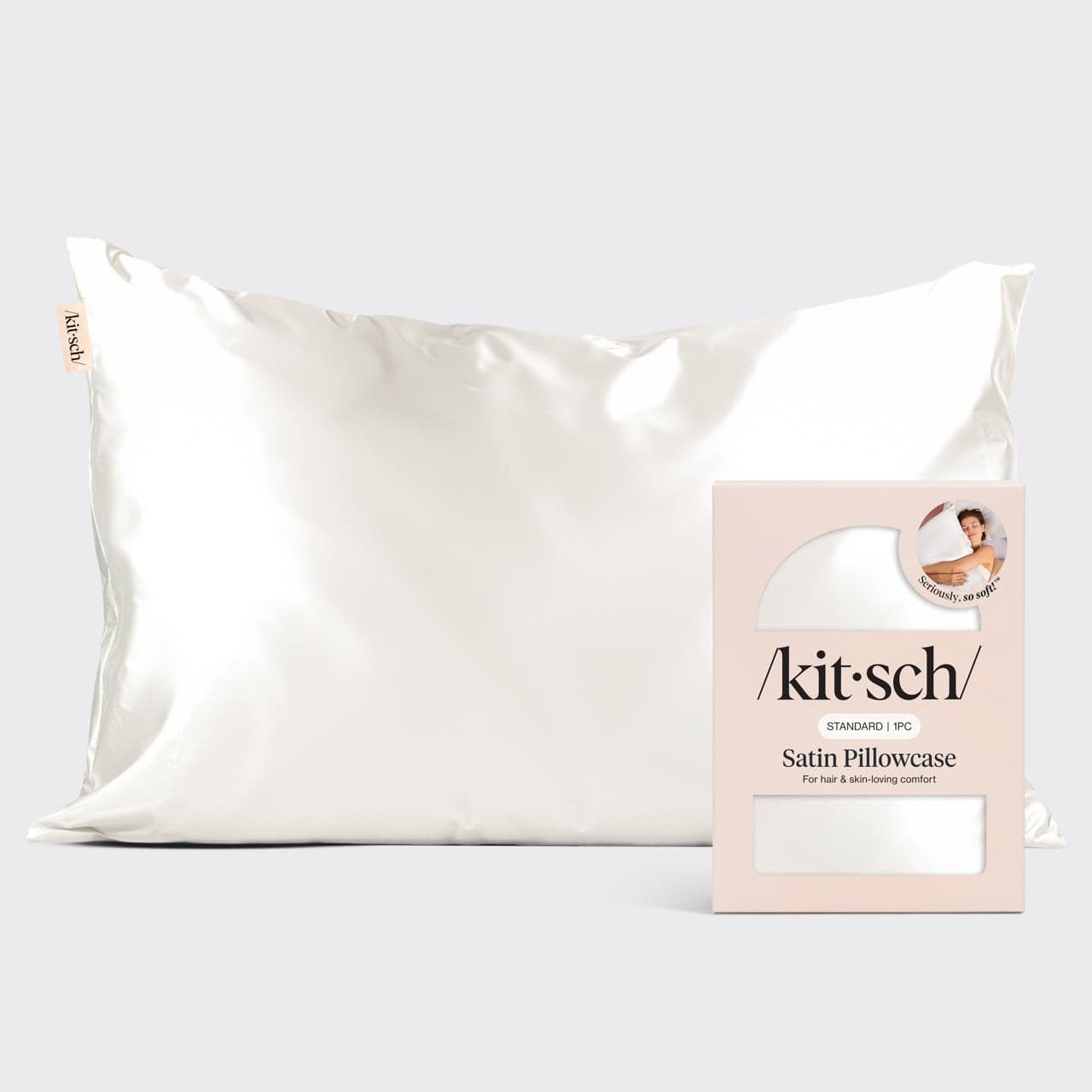
A few small pieces that do a lot of what this guide describes, each one easy to add to a room this week.

Picked by us, never paid for. We may earn a small commission if you buy.