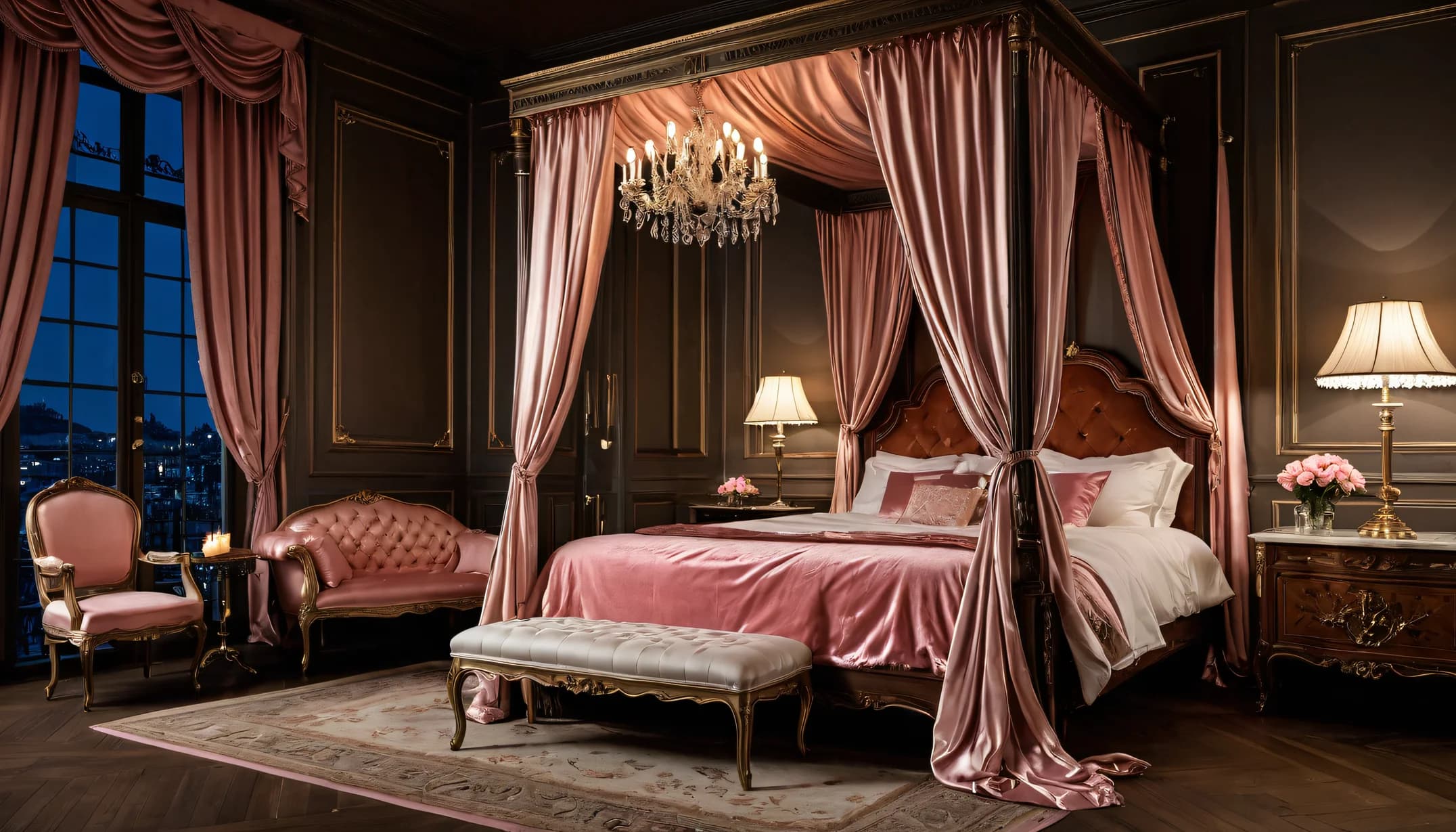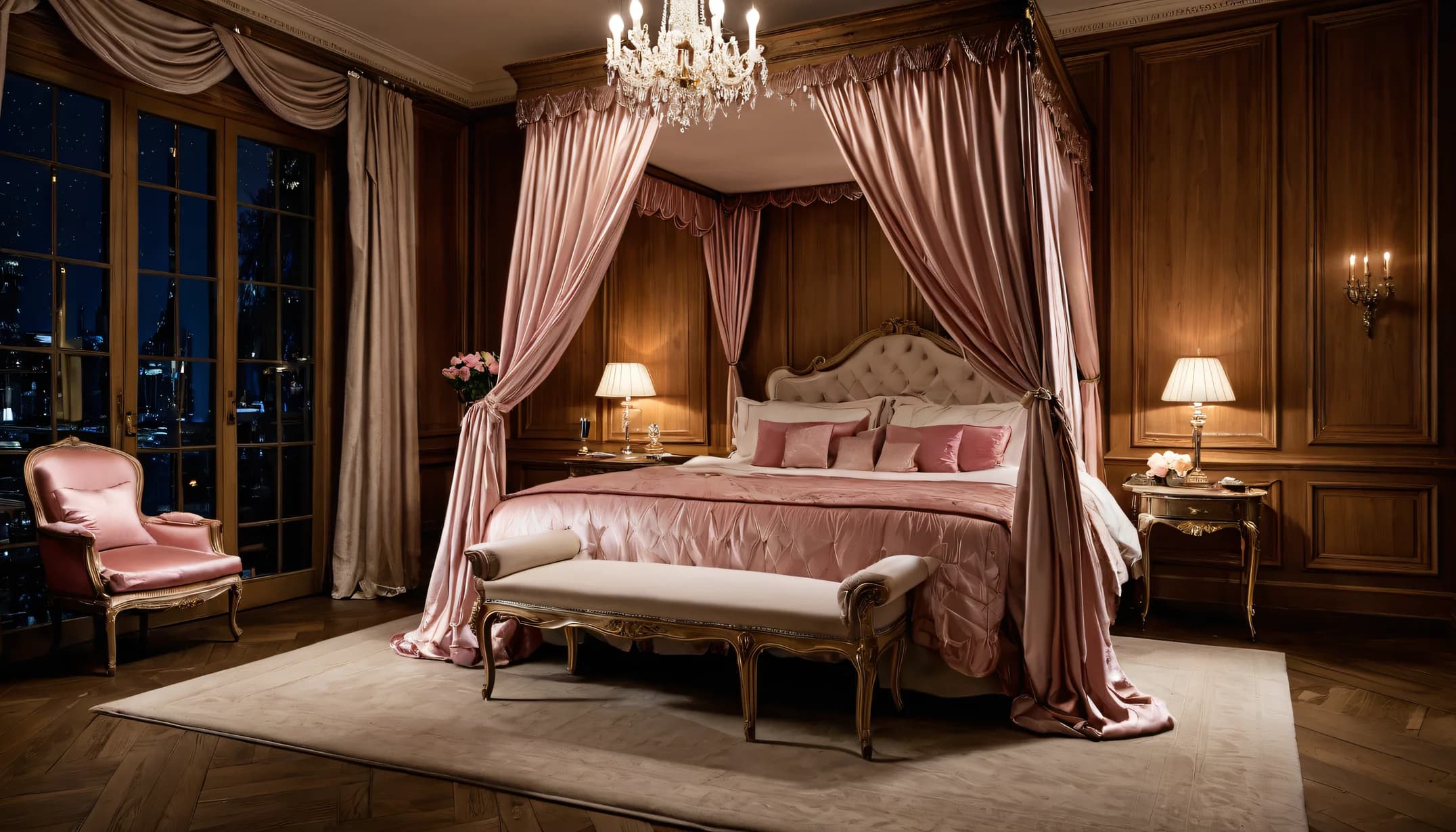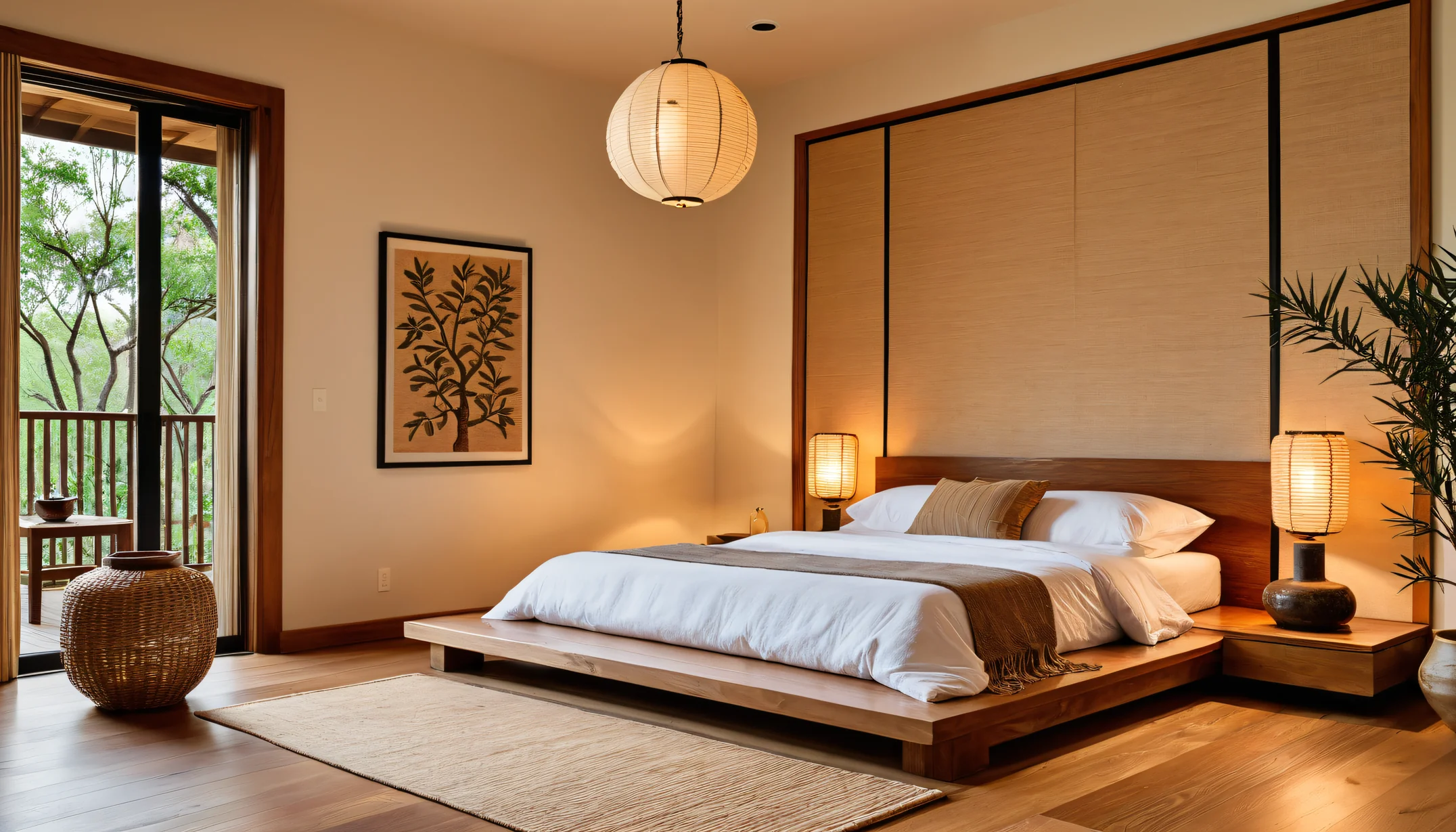
How to make an intimate or dual-use room look like any other bedroom in about five minutes when family or guests visit, what to keep out of sight, what to tell older kids, and how to switch it back.
Most intimate bedrooms are ordinary rooms most of the time. The trouble starts when someone else needs to use them. Your mother is staying for the holidays, a friend is sleeping on the daybed in the spare room, or a ten-year-old wanders in looking for a charger. The goal isn't to hide your life. It's a room that looks like a perfectly nice bedroom to anyone who walks in, and goes back to being yours as soon as they leave.
With a little setup, the switch takes about five minutes each way. Here's how.
Set it up once so the switch is quick
The five-minute switch only works if the room was planned for it. A few decisions do most of the work.
- Everything private has one home. Not a drawer here and a box there. One place, so putting it all away is one trip.
- That home locks. A lockable drawer, a lockable chest, or a lockable storage bag on a closet shelf. A lock matters more with children than with adults, and once kids can read, assume they'll open anything that isn't locked.
- The evening pieces that look ordinary can stay. A deep-colored throw, warm lamps, a bench at the foot of the bed. Nobody looks twice at those.
- The rest is portable. Anything that only makes sense at night, like a particular print or the tray on the nightstand, should be easy to lift and carry.
Designing a discreet intimate space covers this from the start, and the dual-use room covers rooms that work as an office or a guest room by day.
The five-minute switch
Work in this order, starting with whatever would be hardest to explain.
- Lock it up (1 minute). Everything private goes into its locked home: the contents of the nightstand drawer, lube, massage oil, anything you'd rather not talk about over breakfast. Check under the bed and on top of the dresser. Take the key with you.
- Swap the art (1 minute). If there's a piece you'd rather your father didn't study, swap it for something neutral. Keep the neutral print in the closet in a frame the same size, so it hangs on the same nail.
- Change the bedding (2 minutes). Strip the bed, or at least swap the throw and the pillowcases. Guests who sleep in the room deserve clean sheets anyway, and a plain white or soft neutral set says "guest room" instantly.
- Reset the lighting (30 seconds). Switch smart bulbs to an ordinary daytime setting and turn off any colored light or LED strips. Deep red light in the middle of the afternoon is the one thing everyone notices.
- Take a last look (30 seconds). Stand in the doorway, then sit where a guest would sit. What can you see from there? Deal with that.
A botanical print is about as neutral as art gets, and it suits nearly any room.
What to keep out of sight
Most of this is obvious. A few things people forget:
- The nightstand drawer. Guests open it looking for a tissue or a charger. Leave it stocked with exactly that: tissues, a phone charger, a notepad and a pen.
- Under the bed. Children look under beds. So do dogs, and dogs bring things out.
- A shared bathroom cabinet. Move anything private from there into the locked home too.
- Screens and speakers. Check what's showing on the TV's "continue watching" row, and what your shared playlists are called.
- Last night's laundry. Wash the throw and towels from your last evening before anyone arrives. It's one less thing to think about.
Lighting presets
With smart bulbs, most of the switch happens in the app. Set up two scenes: a bright, neutral one for daytime and your warm, low one for evenings. Give them boring names. "Evening" is fine. Anything flirtier will show up on the family's shared screen eventually.
If a guest is sleeping in the room, show them how the lights work before you say goodnight, so they're not standing in the dark trying to work out an app. Leave at least one lamp on an ordinary switch so nobody needs a phone to see.
When kids ask
Older kids notice more than parents expect, and sooner or later one of them may ask why the bedroom door locks, or what's in the locked drawer. A few principles help:
- Stay calm and keep it short. Children take their cue from your tone. A relaxed, matter-of-fact answer ends most of these conversations in under a minute.
- Match the answer to the age. A young child needs very little: "That's where we keep grown-up things." A teenager can hear something closer to the whole truth: "That's private, for the two of us, the same way your room is private for you."
- Privacy goes both ways. Kids understand a closed door better when their own closed doors are respected. Knock on theirs and ask them to knock on yours, and a locked drawer stops being mysterious.
- Don't invent a story if they've already seen something. A brief, honest answer that fits their age is kinder than a cover story they'll see through. Then move on.
- If they want to talk more, that's a bigger conversation, and one worth having on your terms, at a calm moment, rather than in the doorway.
Reconnecting after kids has more on keeping a private life in a family home, including what to do if a child walks in.
Holidays and long visits
A weekend visit is a five-minute switch. A two-week holiday stay is worth planning.
- A week ahead, wash the guest bedding, find the key, and decide where the art and the throw will go while they're out.
- If guests are sleeping in your intimate room, move everything private out entirely, into a locked box in your own closet or another room you control. Don't leave a locked drawer in a room where someone else sleeps for a week. It's the one thing they'll wonder about.
- If you're giving up your own bedroom, pack a small bag for wherever you'll be sleeping: a blanket you like, a lamp, a candle. Two weeks on the sofa bed doesn't have to mean two weeks without an evening together.
- Plan an evening anyway. Guests go out. Pick a night when they're seeing friends, or book a night away. How to plan an intimate evening works in a hotel room too.
And back again
The switch back is the same five minutes in reverse. Unlock, rehang the art, put your own bedding back on, set the lights to evening and bring the tray out. Do it the day your guests leave, not the following week. Rooms left in guest mode tend to stay there for months.
If the room spends more time as a guest room than as yours, it may be time to rethink it. Turning a spare room into a private retreat has ideas for giving it back to the two of you.
Scenes to try
All scenesScenes are ideas for an evening at home, each tied to a room style, with a pause word built in.