Care & cleaning
Five minutes of care keeps everything in the room body-safe and looking new, from the toy drawer to the velvet headboard.
Practical care, not medical advice. Always follow the maker's instructions, and ask a clinician about anything specific to you.
The four-step ritual
Every piece, every time. It takes a few minutes and covers most of what keeps toys safe and long-lived.
Clean
Before and afterMild, unscented soap and warm water takes about a minute. Anything with a motor gets a soapy cloth instead of a soak, unless it's rated waterproof (IPX7). Rechargeable toy care
Dry
All the wayPat it down with a lint-free towel, then leave it on a clean towel for an hour. A damp toy zipped into a pouch is how odor starts.
Store
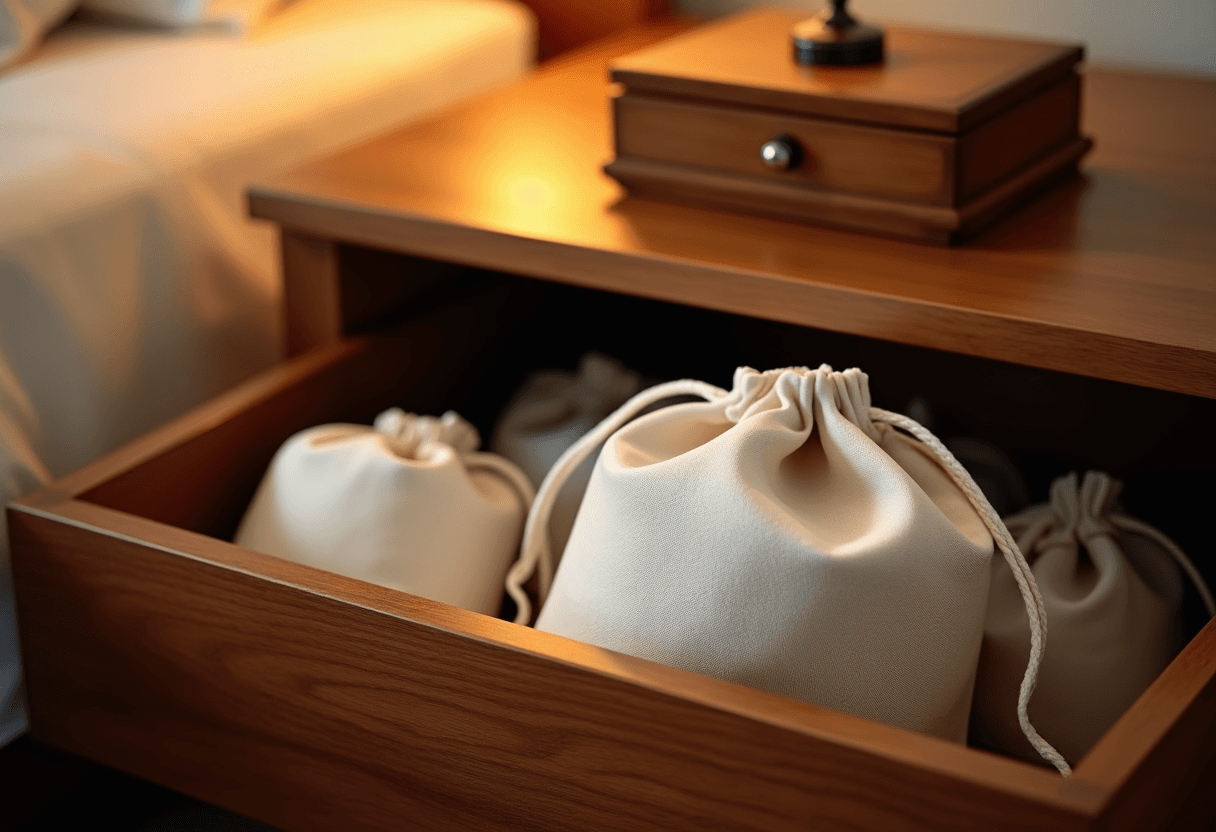
Apart, and out of the heatOne breathable pouch per piece, in a cool, dark drawer. Keep soft, porous toys away from silicone, since dyes and surfaces can transfer.
Match
The lube to the materialWater-based lube is safe with every material. Silicone lube never goes on a silicone toy. Not sure? Run the pairing through the checker. Open the checker
Care by material
Pick what it's made of. Not sure? If the packaging and the maker's site don't say, treat it as porous.
Silicone
Non-porousNon-porous and easy to keep pristine, the low-maintenance favorite.
How to clean it
- Wash with mild, unscented soap and warm water before and after every use.
- Non-motorized 100% silicone can usually be boiled for 3 to 5 minutes or run through the dishwasher's top rack (no detergent) to fully sanitize. Check the maker's guidance first.
- Pat dry with a lint-free towel and let it air-dry completely before storing.
Which lube
- Water-basedSafe
- Silicone-basedAvoid
- Oil-basedUse caution
- Hybrid (water + silicone)Avoid
Why each one? Ask the Lube & Material Checker.
How to store it
A soft cloth pouch or its own compartment, cool and dry, not touching other toys.
How long it lasts
Years with basic care. Body-safe silicone doesn't wear out from cleaning; retire it only if the surface is ever damaged.
Red flags
- A tacky or sticky surface, or a strong chemical smell. It may be a blend, not pure silicone, so treat it as porous.
- Any tear or nick in the surface. Grime collects there and won't wash out.
- Silicone lube on a silicone toy, which can leave it permanently tacky.
Glass
Non-porousBody-safe borosilicate that sanitizes beautifully, with one thing to watch.
How to clean it
- Wash with soap and warm water; boilable and dishwasher-safe (non-motorized).
- Inspect the whole surface every time for chips or cracks.
Which lube
- Water-basedSafe
- Silicone-basedSafe
- Oil-basedUse caution
- Hybrid (water + silicone)Safe
Why each one? Ask the Lube & Material Checker.
How to store it
A padded box or sleeve so it can't knock against anything.
How long it lasts
Indefinite if undamaged, but any chip means it's done.
Red flags
- Any chip, crack, or scratch, however small. Retire it that day.
- Going straight from very hot to very cold water. Change temperature gradually.
Stainless steel
Non-porousPractically indestructible and the easiest of all to sanitize.
How to clean it
- Wash with soap and warm water.
- Fully boilable and dishwasher-safe (non-motorized). Steel handles heat with no trouble.
- Dry to avoid water spots.
Which lube
- Water-basedSafe
- Silicone-basedSafe
- Oil-basedUse caution
- Hybrid (water + silicone)Safe
Why each one? Ask the Lube & Material Checker.
How to store it
A padded pouch keeps the polish scratch-free.
How long it lasts
Effectively a lifetime. Steel doesn't degrade.
Red flags
- Plated or unlabeled metal. A coating can chip and flake, so look for body-safe stainless steel by name.
- A rough spot or burr after a drop. Run a fingertip over it before use.
ABS / hard plastic
Non-porousBody-safe and low-maintenance, just not heat-safe.
How to clean it
- Wipe or wash with mild soap and warm water, or a dedicated toy cleaner.
- Dry thoroughly.
Which lube
- Water-basedSafe
- Silicone-basedSafe
- Oil-basedUse caution
- Hybrid (water + silicone)Safe
Why each one? Ask the Lube & Material Checker.
How to store it
Clean, dry, and separate; a pouch keeps dust off.
How long it lasts
Long, as long as it's kept away from heat.
Red flags
- A crack or a seam that has started to open. Moisture and grime get in and stay.
- Warping from heat: a dishwasher, a sunny windowsill, a hot car.
TPE / TPR
PorousSoft and affordable, but porous, so it needs the most diligent care.
How to clean it
- Wash gently with mild, unscented antibacterial soap and warm (not hot) water after every use.
- Pat dry and allow to air-dry completely. Trapped moisture is the enemy.
- A light dusting of cornstarch-based renewal powder keeps the surface soft and matte.
Which lube
- Water-basedSafe
- Silicone-basedUse caution
- Oil-basedAvoid
- Hybrid (water + silicone)Use caution
Why each one? Ask the Lube & Material Checker.
How to store it
Fully dry, dusted, and separate (dyes can transfer), somewhere cool and dark.
How long it lasts
Shorter than non-porous materials. Replace periodically, and sooner if the surface turns sticky or discolored or develops any odor.
Red flags
- Porous, so it can never be fully sanitized. Use a condom over it, and a fresh one if it's shared.
- A sticky or greasy surface, cloudy patches, or any odor that survives a wash. Time to replace it.
Wood
Non-porousSealed hardwood is smooth and body-safe for as long as the finish holds.
How to clean it
- Wash with mild soap and warm water, or wipe with a damp, soapy cloth. Don't soak it.
- Dry it right away with a soft towel rather than leaving it to air-dry.
- Never boil it or put it in the dishwasher. Heat and long soaks break down the seal.
Which lube
- Water-basedSafe
- Silicone-basedSafe
- Oil-basedUse caution
- Hybrid (water + silicone)Safe
Why each one? Ask the Lube & Material Checker.
How to store it
A soft pouch in a dry drawer, away from the bathroom's humidity.
How long it lasts
Years, as long as the sealed finish stays smooth and intact.
Red flags
- A chip, crack, or worn patch in the finish. Raw wood underneath is porous, so retire it.
- Any splintering or roughness. Run a hand over it before every use.
Leather
PorousCuffs, collars, and upholstery. Wipe it, let it breathe, and condition it now and then.
How to clean it
- Wipe with a barely damp cloth and a little mild soap, or a leather cleaner. Never soak it or put it in the washer.
- Let it dry at room temperature, away from radiators and direct sun.
- Condition it every few months, more often if it's worn a lot, so it stays supple.
Which lube
Keep lube off leather where you can. Oil- and silicone-based lubes can darken and stain it. Wipe any drips right away with a damp cloth.
How to store it
A breathable cotton bag or an open shelf. Plastic traps moisture, and leather that can't breathe can grow mildew.
How long it lasts
Many years, even decades, with regular conditioning.
Red flags
- Porous. Leather can't be sanitized, so keep pieces that touch skin to one person.
- Cracking, mildew spots, a seam pulling away, or rust on a buckle or D-ring. Repair or retire.
Rope
PorousNatural or synthetic, rope needs to be dry, untangled, and checked before every use.
How to clean it
- Synthetic rope (nylon, polyester, MFP) can go through a gentle wash in a mesh bag, loosely chained so it doesn't knot.
- Natural fiber (jute, hemp, cotton) prefers airing out. Hand-wash only when it needs it, in cool water.
- Dry it fully and loosely, hung or draped, before coiling it away.
Which lube
Keep lube away from rope. It soaks into the fibers and doesn't wash out cleanly, especially from natural fiber.
How to store it
Loosely coiled or bundled in a breathable bag, somewhere dry. Never put it away damp.
How long it lasts
Depends on use. Inspect the full length every time, and retire rope rather than repair it.
Red flags
- Porous, so keep a rope to one household and wash it often.
- Fraying, thin or flattened spots, stiff patches, or discoloration. Retire it.
- Always keep safety shears within reach whenever rope is in use.
Fabric & velvet
PorousBlindfolds, soft cuffs, covers, and throws. Most of it goes in the wash.
How to clean it
- Follow the care label. Most fabric pieces can take a gentle cycle in a mesh bag, with any hook-and-loop closures fastened first.
- Wash velvet inside out in cold water, then air-dry. Steam it rather than ironing to lift crushed pile.
- Spot-clean anything with a foam core, and wash only the cover.
Which lube
Water-based lube washes out in a normal cycle. Silicone and oil lubes can stain, so work a drop of dish soap into the spot before washing.
How to store it
Clean, fully dry, and folded in a drawer or a cotton bag.
How long it lasts
Until it wears. Replace when the fabric thins or the closures stop holding.
Red flags
- Porous, so wash it after every use and keep it to one household.
- Pulled stitching or a closure that slips. Restraints should be retired, not patched.
Around the room
The room does as much work as anything in the drawer. A little upkeep keeps the bed inviting, the upholstery soft, and the hardware sound.

Bedding and cushions
- Wash sheets weekly in warm water, or hot if the label allows.
- Keep a washable throw on top for nights you'd rather not strip the bed.
- Silk and satin pillowcases go in a mesh bag on a cold, gentle cycle, then air-dry.
- Wedges and positioning cushions: unzip and wash the cover, never the foam.
Velvet and leather furniture
- Vacuum velvet with a soft brush attachment and blot spills. Rubbing crushes the pile.
- Wipe leather with a barely damp cloth and condition it every few months.
- Keep both out of direct sun, which fades velvet and dries out leather.
Candles and wax
- Trim wicks to about a quarter inch before lighting, and keep flames at least a foot from fabric, canopies, and curtains.
- Never leave a candle burning in an empty room.
- Wax on fabric: let it harden, lift what you can, then press with a warm iron through a paper towel.
- Only use candles made for skin as massage oil, and test the temperature on your wrist first.
Swings, straps, and ceiling mounts
- Once a month, and before every use: bolts snug, no rust or hairline cracks, carabiners close and lock.
- Check straps and stitching along their full length. Retire a strap at the first fray.
- Look at the ceiling around the mount for new cracks or movement, and stay under the maker's weight rating.
Where it all lives
Good storage keeps things clean between uses, protects the materials, and keeps your private life private. Cool, dry, and out of the sun covers most of it. Skip the bathroom: the humidity undoes all that drying.

- A nightstand drawer with dividersClose to the bed, invisible when shut. Small boxes keep each piece in its own spot.
- A lidded box on a shelfWood or fabric-covered, in a finish that suits the room, so it reads as photos or scarves.
- A storage bench at the foot of the bedRoom for bigger pieces, cuffs, and a throw, and it doubles as seating.
- A lockable caseThe honest answer when kids, guests, or a house cleaner are around. Combination beats a hidden key.
Keep in the drawer

Water-based, so it's safe with every material on this page. The one to keep in the drawer.
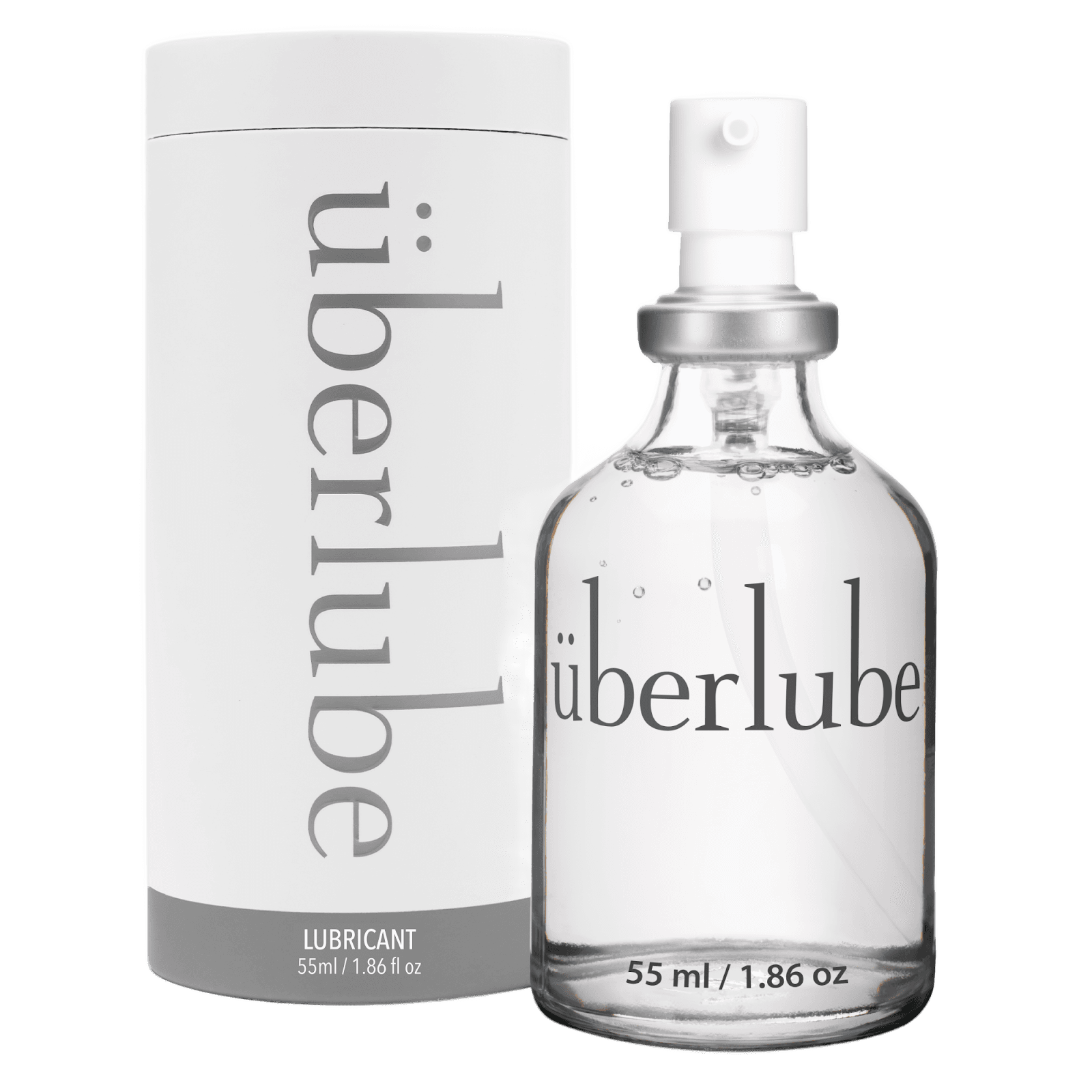
Silicone-based and long-lasting, for glass, steel, and hard plastic. Never on silicone toys.
Affiliate links. We may earn a commission, and it never affects what we recommend.
When to let it go
Good pieces last for years. These are the signs one is done.
- Glass
- Any chip or crack, the same day.
- Silicone
- A tear, or a surface that has turned tacky or pitted.
- TPE / TPR
- Sticky, cloudy, or holding an odor. Porous toys don't last forever.
- Steel, ABS, wood
- Cracks, burrs, open seams, or a worn-through finish.
- Rechargeables
- A battery that won't hold a charge, a cracked casing, or a corroded port.
- Straps, rope, cuffs
- The first fray, thin spot, or slipping closure. Retire it, don't patch it.