Listen to this guide
7 min · Read by Vesta, Braise's AI host.
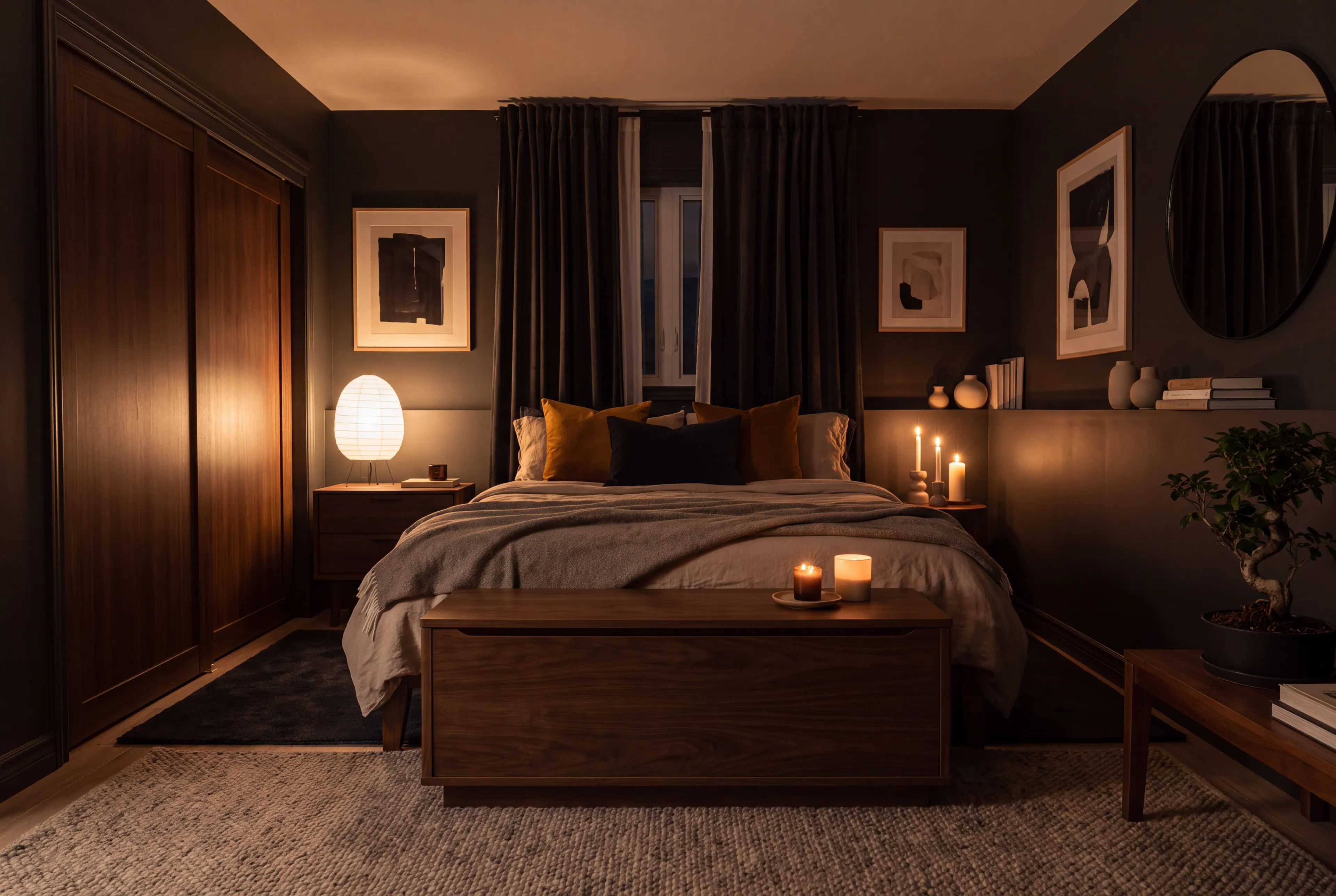
Storage and lighting that look like a well-designed bedroom by day and feel intentional at night, with nothing to explain when guests come over.
The best intimate bedrooms don't announce themselves. A guest who wanders in to drop off a coat should see a lovely room and leave. You should walk into the same room at night and find everything you need within reach, the light already right, and nothing in the way.
That's dual-purpose design: pieces that look like considered furniture during the day and reveal their function only when you want them to. Hiding things is only part of it. Mostly it's deciding what's visible, and when. We'll work through it one part of the room at a time.
Start with the visitor test
Before buying anything, do a quick walk-through as if you were someone else. Stand in the doorway. What can you see from there? Then walk to where a guest might sit or put down a bag. What's visible now? Open the obvious drawers a curious child might open.
That gives you a short list of problems to solve. Most rooms have only two or three, and they're usually the same ones: something on a nightstand, a drawer that isn't private, and a piece of furniture that looks like exactly what it is.
Storage in three rings
It helps to think about storage as three rings around the bed.
Within arm's reach
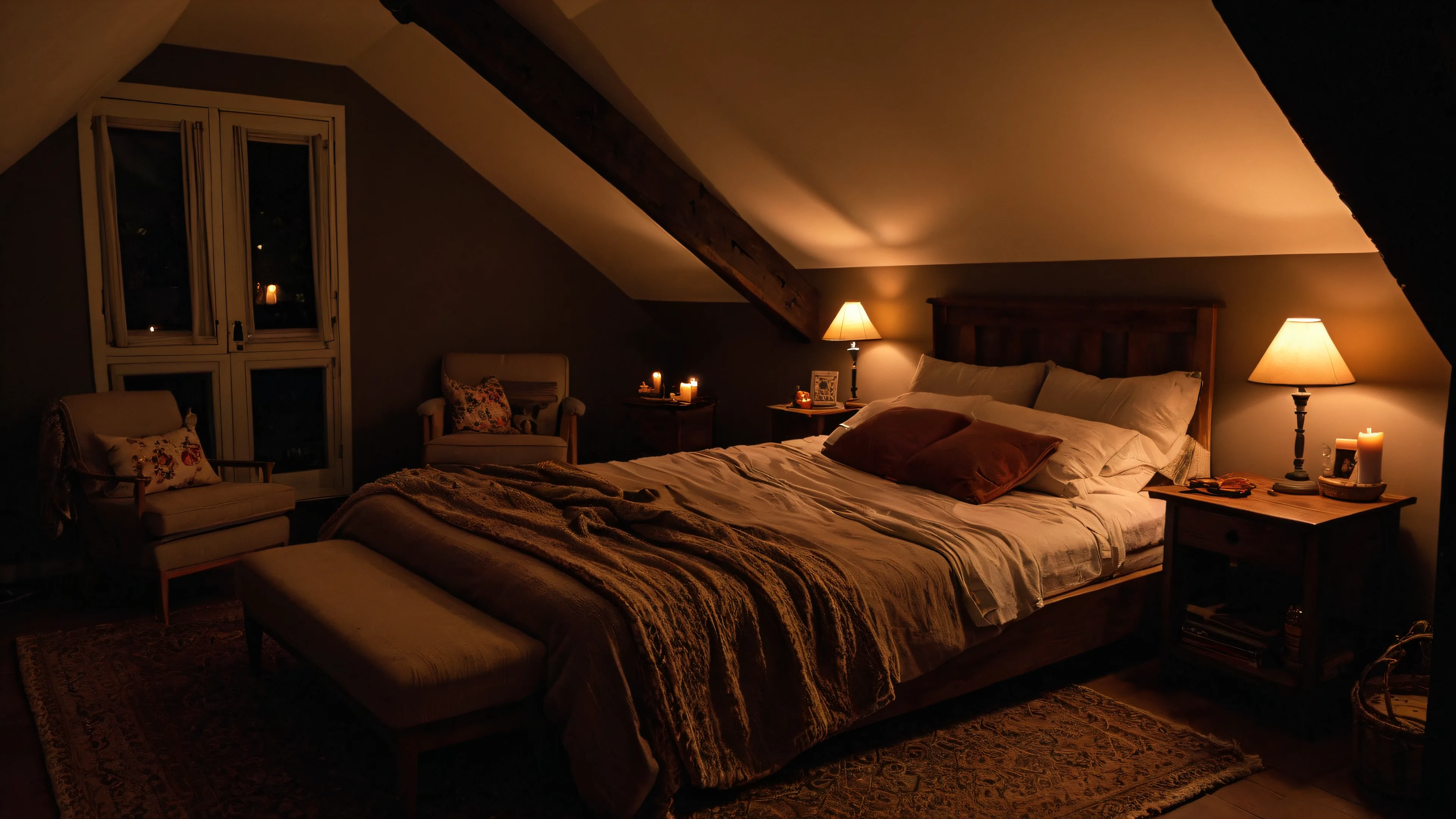
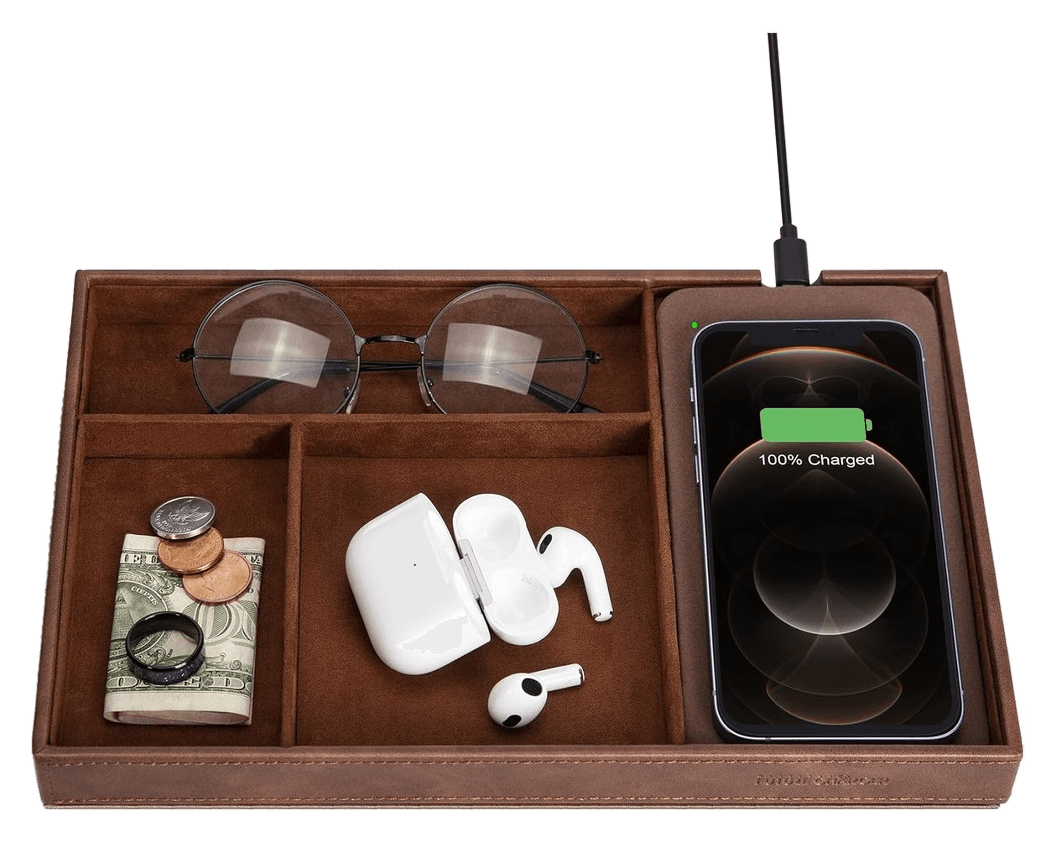
The things you use most should be reachable without getting up: lube, a towel, a toy or two, a glass of water. A closed nightstand drawer is the classic answer. Add a drawer organizer or a few small boxes so things don't roll around, and keep each toy in its own pouch. Our guide to body-safe materials and cleaning explains why separate storage matters.
If your nightstands are open shelves, swap one for a model with a drawer or a door. It's one of the cheapest upgrades in this whole guide.
Within the room
Larger items need a bigger home that still looks like ordinary furniture. Good options:
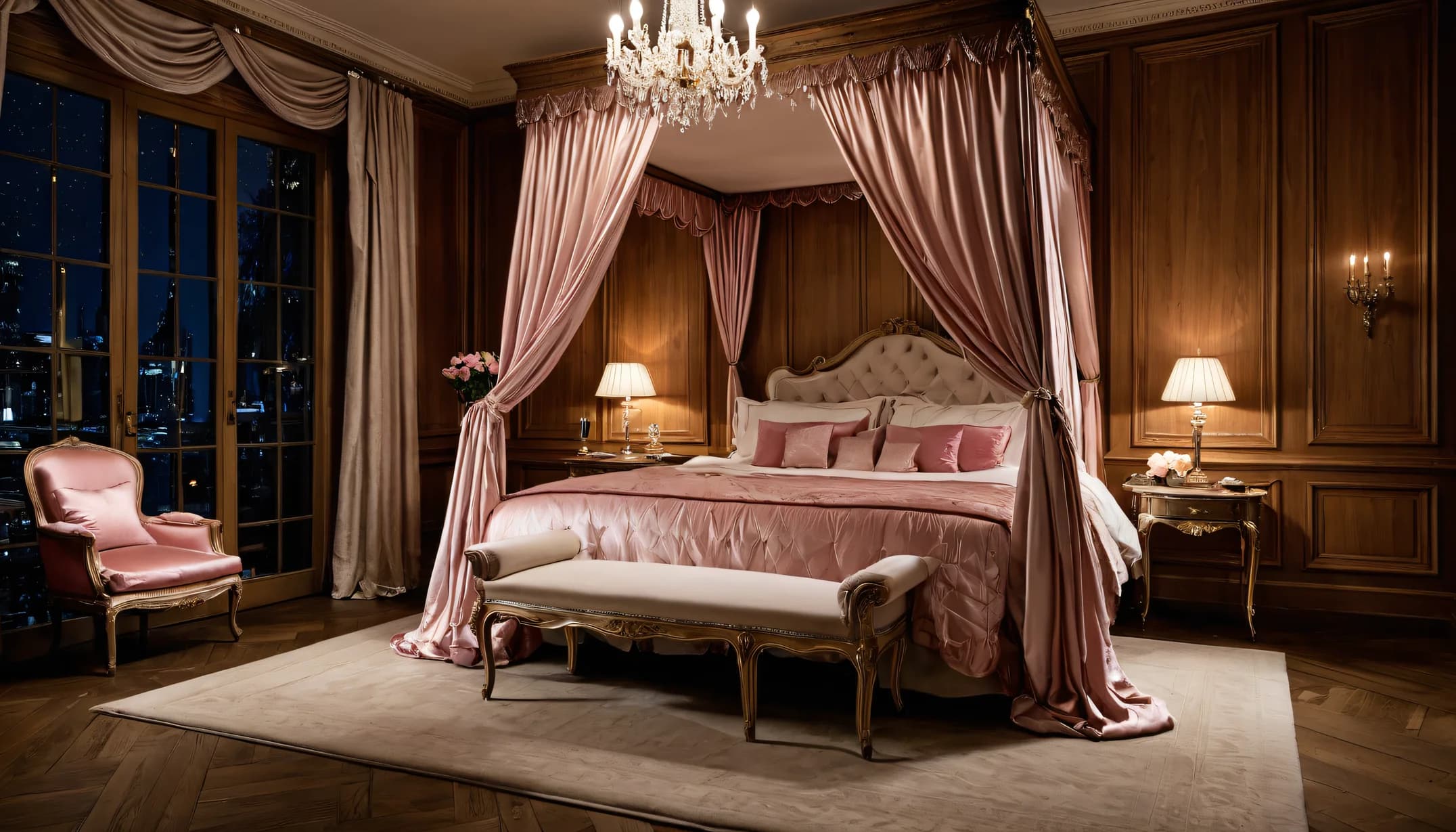
- An upholstered storage bench at the foot of the bed. It's a standard piece in any well-dressed bedroom, which makes it perfect cover.
- A storage ottoman beside a chair.
- A lidded basket or wooden box on a shelf, chosen to suit the room so it looks like it holds blankets or photographs.
Locked
If children live with you or visit, or if someone else cleans your home, add a lock. A lockable box with a combination is easier than a key you have to hide somewhere else. A nightstand or dresser with a locking drawer solves it for good.
Some things are best left out
Not everything needs to be put away. Some pieces disappear best in plain sight.
A wedge in a cover that matches the bedding, a chaise beside a reading lamp, straps that tuck under the mattress: these are dual-purpose furniture, and they belong out in the room rather than in a box. Discreet intimate furniture goes through them piece by piece, with what to buy and how to dress each one for company. This guide stays with the room around them: storage, light and sightlines.
Watch for the small giveaways
Rooms usually give themselves away through details, not big furniture. The usual suspects:
- Chargers. Unusual magnetic cables on a nightstand raise questions. Keep each one in the pouch with its toy.
- Bottles. A lube bottle on a nightstand is obvious. In the drawer it isn't.
- Hardware. Eye bolts or rings on a bed frame or wall. Choose pieces whose hardware tucks away, or covers that hide it.
- Packaging. Boxes and shipping labels in the recycling.
- Tags and logos. Cut the brand tags off covers and cushions.
Light the room for both modes
Lighting does most of the work in shifting a room between daytime and night.
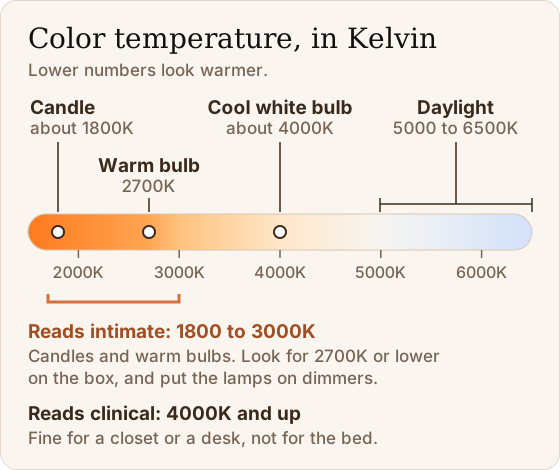
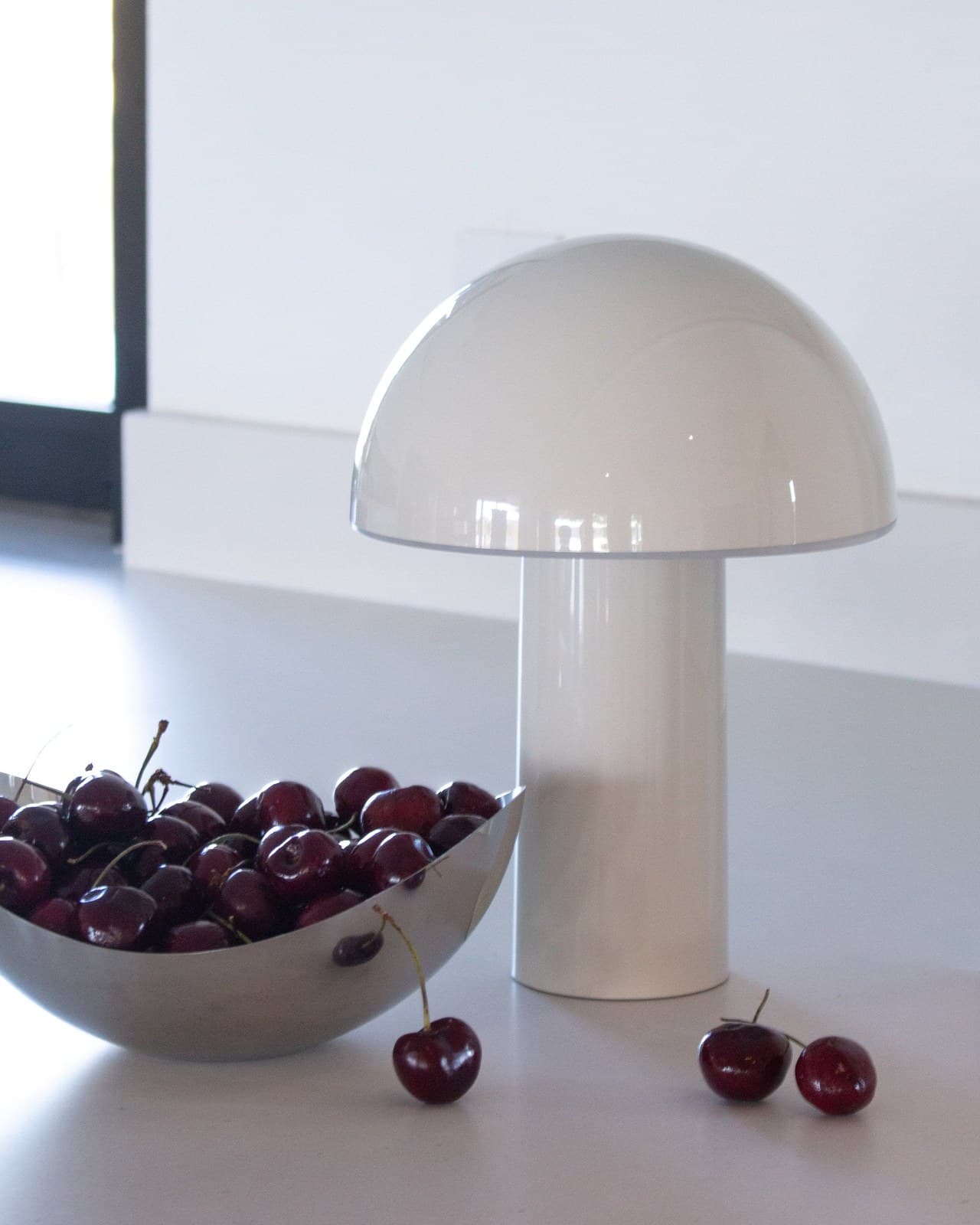
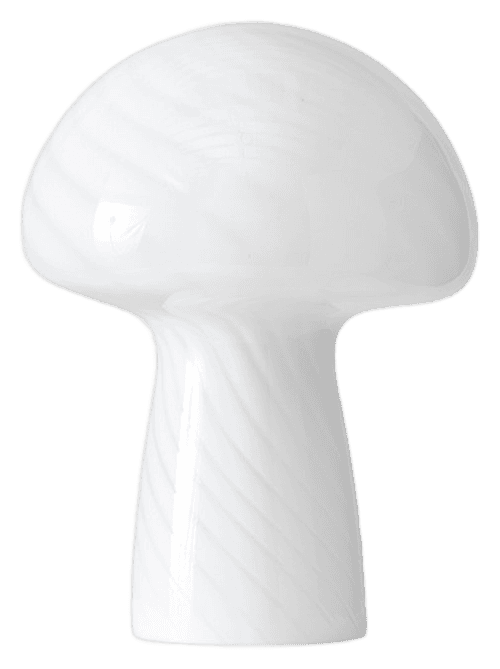
Layer it. A warm overhead on a dimmer for daytime and tidying. A pair of low bedside lamps for a soft glow at bed height. One accent source somewhere else, such as a small lamp on a dresser or a plug-in sconce, so the room has depth and some shadow. Avoid relying on a single bright fixture. Low, warm light flatters everything and changes the room in seconds.
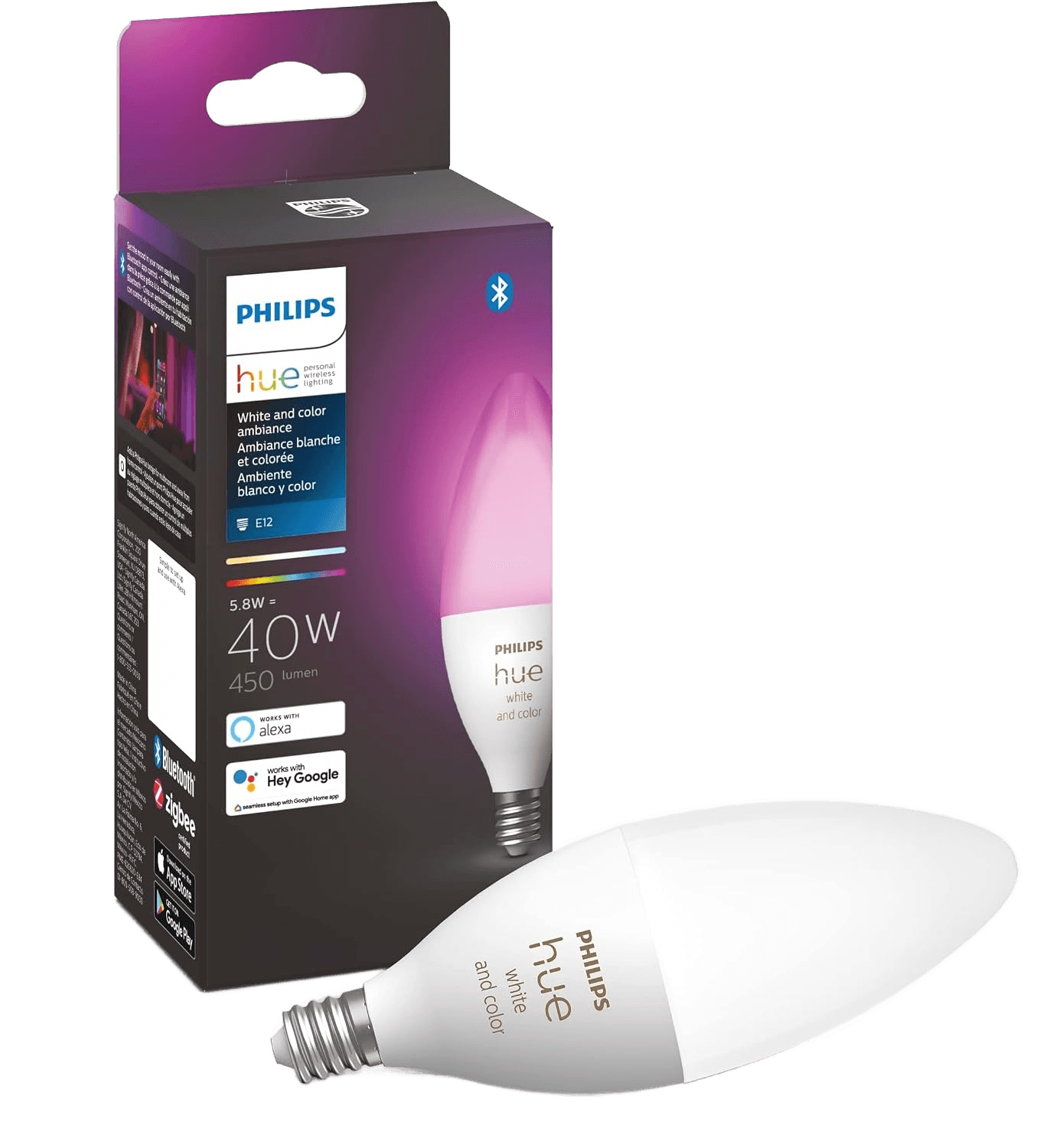
Smart bulbs or plug-in dimmers make it even easier. Set an evening scene once, and one tap moves the room into it. Lighting a bedroom for intimacy covers bulbs and placement in more detail.
Layout and sightlines
Layout is about two things: how you move around the room, and what can be seen from the door.
- Keep the bed approachable from both sides. Leave room to walk around it. A bed shoved against the wall is harder to use and harder to make look inviting.
- Leave space to move. A clear area beside the bed matters more than another piece of furniture.
- Keep intentional pieces out of the door's line of sight. Put the bench or the chaise where someone glancing in from the hallway won't see it first.
- Mind mirrors. A mirror can be lovely. Check what it reflects from the doorway.
If the room has to do another job during the day, like a home office or a gym, the dual-use room guide shows how to switch it over. For small rooms, designing a small intimate bedroom covers layout when every foot counts.
Privacy beyond what's visible
Discretion is also about sound and interruption. A lock on the bedroom door is the cheapest privacy upgrade there is. Soft materials absorb sound: curtains, an upholstered headboard, a thick rug. A fan or a white-noise machine masks ordinary noise. For the full rundown, see privacy and soundproofing.
A two-minute reset
The habit that makes all of this work is a short reset after use. Clean what you used and let it dry before it goes back in its place. Straighten the bed and put the throw back on the bench. It takes a couple of minutes, and the room is ready for anyone by morning.
Common mistakes
Hiding everything in one big box in the closet. If it's hard to reach, it won't get used. Keep the everyday things close.
Choosing pieces that only work hidden. A piece you're not comfortable leaving out ends up in storage.
Forgetting the door. A room can be beautifully discreet and still have no lock.
Overthinking it. Most guests notice far less than you'd fear. A tidy, well-lit room with closed storage looks like what it is: a beautifully designed bedroom. When family is coming to stay, the guest and kid switch is a five-minute routine for the visit.
The Room Designer lets you place furniture in a plan of your own room and check sightlines before you move a thing. You can read more about how discreet design shapes everything we recommend.
Scenes to try
All scenesScenes are ideas for an evening at home, each tied to a room style, with a pause word built in.
Small things, well chosen
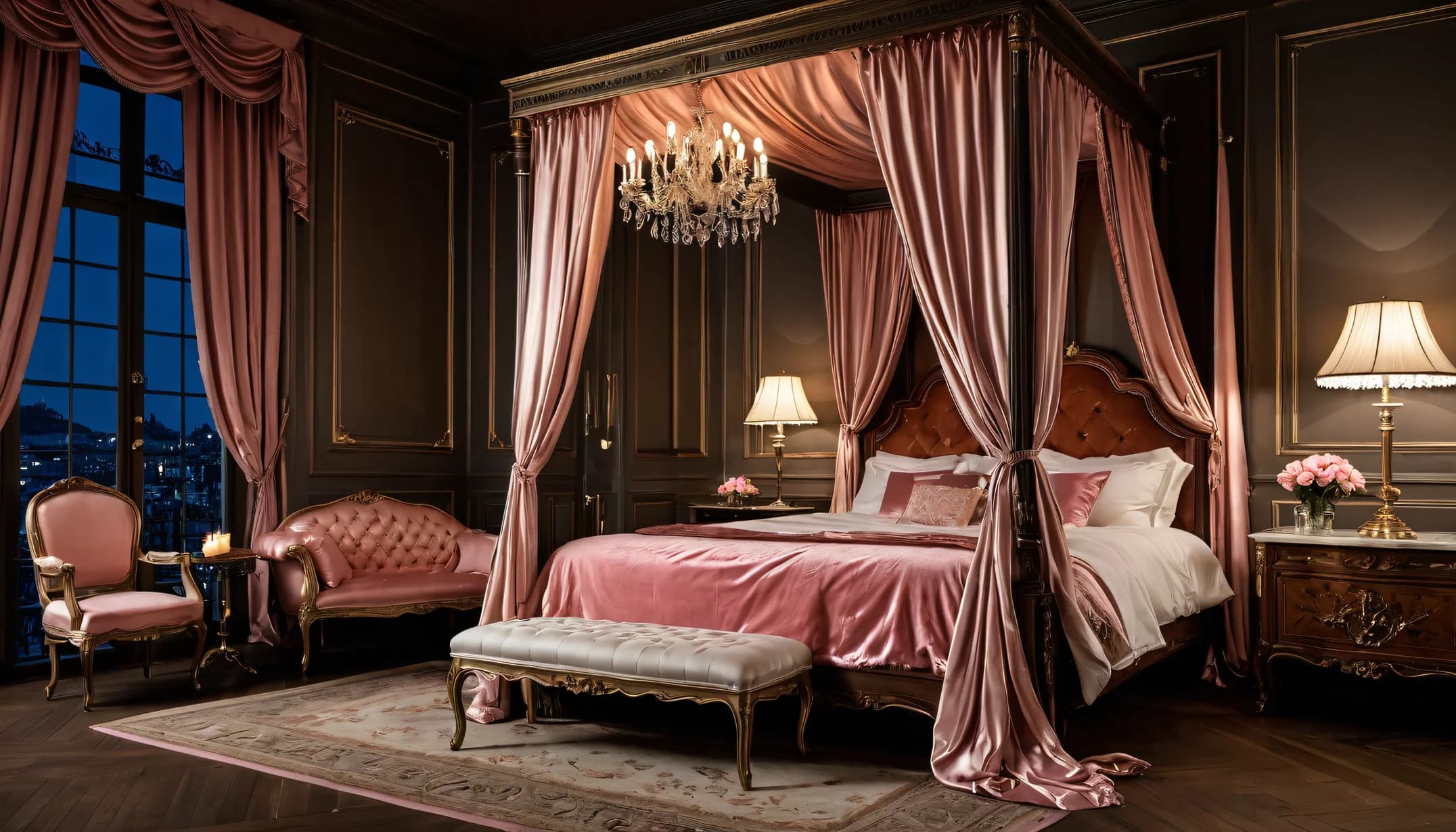
A few small pieces that do a lot of what this guide describes, each one easy to add to a room this week.
Picked by us, never paid for. We may earn a small commission if you buy.