
Listen to this guide
8 min · Read by Vesta, Braise's AI host.
Hormonal changes around menopause are common and very manageable. What tends to shift and what helps day to day, plus the treatments worth asking a clinician about.
General information, not medical advice. For anything specific to your body or your health, talk to your own clinician.
Menopause, and the years leading up to it, bring hormonal changes that can affect intimacy. The most common are reduced natural lubrication and shifts in desire or sensation. These changes are extremely common. They don't mean the end of a rich intimate life, and much of what comes with them is very manageable once you know what you're working with.
We'll go through what tends to change and the everyday things that help, then the treatments worth asking about. It's general information. A clinician who knows your health history is the right person to help you choose between treatments.
Perimenopause and menopause
Menopause is officially the point when periods have stopped for good. The years before it, called perimenopause, often bring the most noticeable changes. Periods may become irregular, and symptoms can come and go. For many people this stretch lasts several years.
Two practical points:
- Pregnancy is still possible during perimenopause, even with irregular periods. If you don't want to get pregnant, keep using contraception until your clinician tells you it's safe to stop.
- Symptoms vary enormously. Some people notice very little. Others find it affects sleep, mood, and intimacy a great deal. Neither experience is more "normal."
What changes, physically
As estrogen levels drop, the tissue of the vulva and vagina tends to become thinner and drier, and less elastic. Clinicians sometimes call this genitourinary syndrome of menopause. It can cause:
- Dryness, itching, or burning.
- Discomfort or pain during sex.
- More urinary urgency, or more frequent urinary infections.
Arousal may also take longer, and sensation can change. Hot flashes and night sweats can disrupt sleep, and poor sleep affects everything else, desire included.
These changes tend to continue after menopause rather than passing on their own, which is why treatment is worth considering if they bother you.
Comfort is the first lever
Lubricant, in the moment
A good lubricant makes an immediate difference to dryness during sex. Water-based lube works with all condoms and toys, including silicone toys. Silicone-based lube lasts longer, and some people find it more comfortable for dryness. If you're sensitive, look for products without glycerin or fragrance, and ones described as pH-balanced. There's more on types and ingredients in choosing and using lubricant.
Vaginal moisturizer, ongoing
A vaginal moisturizer is different from a lube. You use it regularly, every few days, independent of sex, to keep tissue more comfortable day to day. Many people use both: a moisturizer as part of a routine, and a lube in the moment.
More time
Going slowly and allowing more time for arousal helps a great deal. Bodies may simply need a longer, gentler warm-up than before. More touch first, and more patience, often changes the experience completely.
Toys can help
Vibrators and air-pulse toys can help with arousal when it takes longer, and can make sensation easier to reach. Air-pulse vs vibration explains the difference.
Treatments worth asking about
If dryness or pain bothers you, or changes in desire do, talk to a clinician. You don't have to simply put up with discomfort, and there are effective options:
- Low-dose vaginal estrogen. A prescription treatment applied directly to the vagina as a cream, tablet, or ring. It treats dryness and thinning where they happen.
- Hormone therapy. Systemic hormone therapy can help with hot flashes and other symptoms. Who it suits depends on health history, and the benefits and risks are worth discussing properly with a clinician.
- Other prescription options. There are non-estrogen treatments too, for people who can't or prefer not to use estrogen.
- Pelvic floor physical therapy. For pain, tightness, or bladder changes. Our glossary explains the pelvic floor.
Your clinician can help you weigh these against your own health. Many people find the right combination makes a big difference.
Desire can change in either direction
Some people find desire drops around menopause. Others find it rises, especially once pregnancy is no longer a concern. Both are common.
Hormones are only part of the picture. Stress plays a part, and so do sleep and mood, and how connected you feel to a partner. Pain or discomfort during sex understandably makes desire drop too, which is one more reason to treat it.
Keeping intimacy on the table in low-pressure ways helps. Affection and touch without a goal keep closeness going, and so does honest conversation about what feels good now. It can do as much as any product. Libido often responds to feeling relaxed and connected more than to anything else.
Sleep and the bedroom
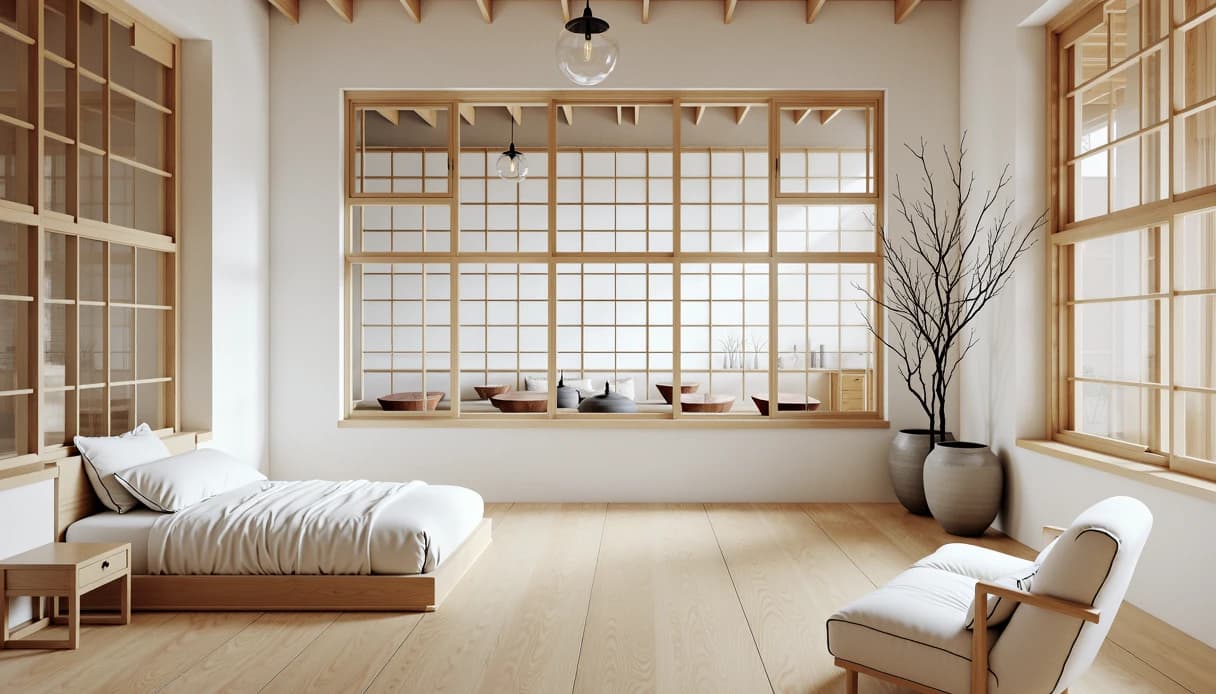
Night sweats and hot flashes make a warm bedroom miserable. A few changes help:
- Keep the room cool. A fan, a window open, or a lower thermostat.
- Use breathable bedding. Cotton percale or linen sleeps cooler than polyester.
- Separate duvets. If you and a partner run at different temperatures, two lighter duvets on one bed solve a lot. When you want closeness, one shared blanket on top for the evening brings you back to the middle. Choosing a bed size has more on that.
Talking with a partner
Partners often don't know what's going on unless they're told. Explaining what's changing, and what helps, takes the guesswork out. It also stops either of you taking changes in desire personally.
Some things that help:
- Say what feels good now, which may be different from before.
- Agree that slower is fine, and that stopping is always fine.
- Share the plan if you're trying a treatment, so a partner understands why things might change over a few weeks.
If the conversation is hard to start, our conversation cards can help.
Beyond menopause
Many people find their intimate lives after menopause are relaxed and satisfying, sometimes more than before. Our guide to intimacy as we age covers the longer view, and comfort first has ideas if pain or stiffness is part of the picture.
Menopause changes the terrain. With the right support, it doesn't have to change how close you feel.
- The Menopause Society: menopause, dryness & sexual health
- Mayo Clinic: menopause & sexuality
General education, not medical advice. See our editorial standards.
Scenes to try
All scenesScenes are ideas for an evening at home, each tied to a room style, with a pause word built in.