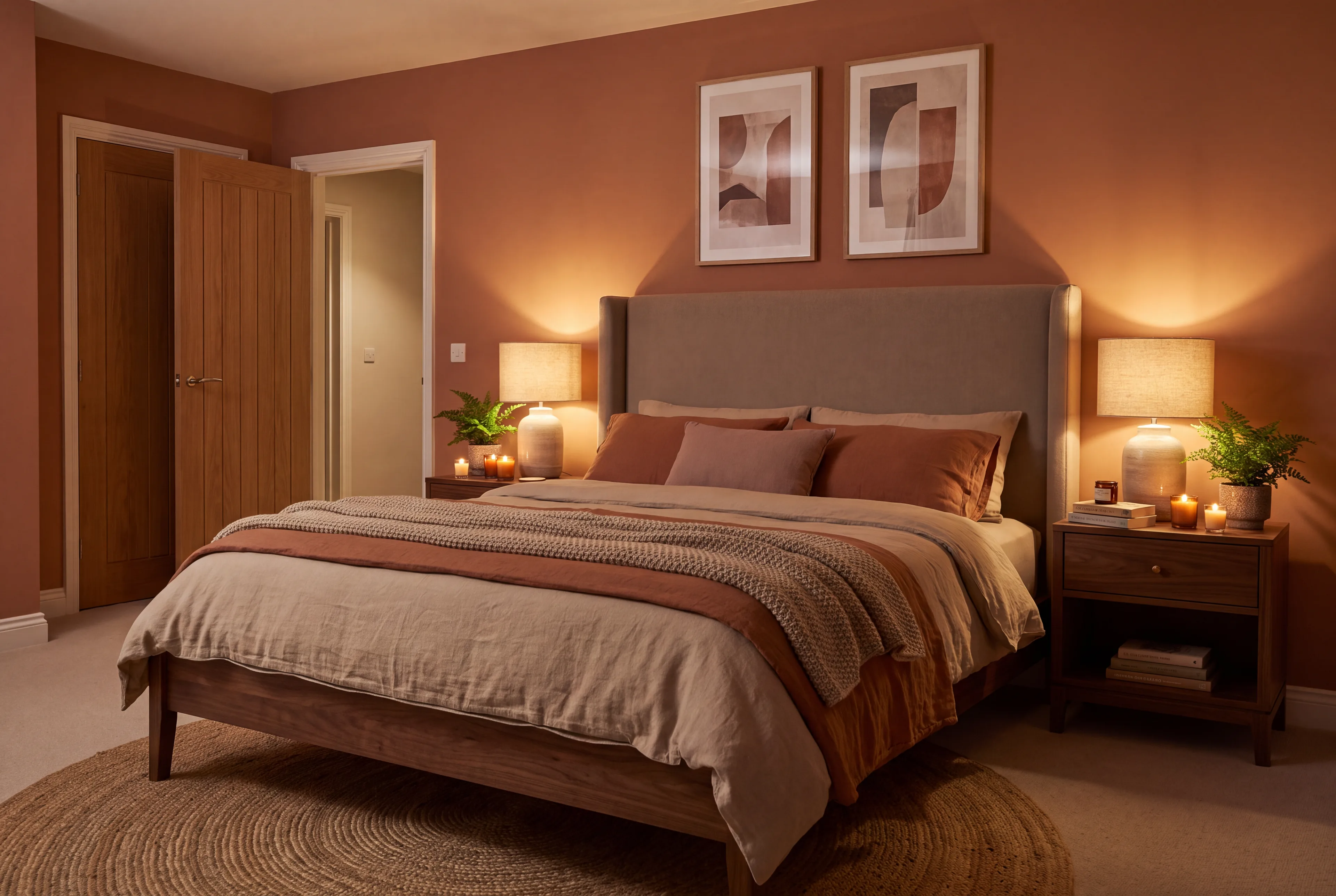
Where to put the bed, why a room for two needs two of everything, and what to do about mirrors, clutter and the relationship corner. The feng shui ideas that make a bedroom calmer, and the ones you can skip.
Feng shui gets talked about like a set of rules you either follow or break. In a bedroom it's simpler than that. Most of what it asks for is what makes any room feel calm: a bed that feels protected, a room that isn't fighting you with clutter, and light and color that let you settle.
For a couple, there's one more idea running through all of it, and it's the useful one: the room should be built for two. Two sides, two lamps, two ways in. That part has nothing mystical about it. It's just good design for a shared bed.
Here's what we'd take from feng shui, what it looks like in an ordinary bedroom, and what you can safely skip.
Feng shui for a couple's bedroom, in short
- Put the bed where you can see the door, without lying directly in line with it.
- Give the bed a solid headboard against a solid wall, not under a window.
- Make it a room for two: a nightstand and a lamp on each side, and room to get in on both sides of the bed.
- Clear the floor and the surfaces, especially under the bed.
- Keep work, screens and exercise out of sight.
- Use soft, warm light and earthy, skin-friendly colors.
- Skip anything that only works if you believe in it. The changes above help either way.
The bed: the commanding position
The single most quoted feng shui idea is the "commanding position." The bed sits where you can see the bedroom door from it, usually diagonally across the room, but not directly in line with the doorway so your feet point out of it.
There's a practical reason it feels right. When you can see who's coming in without lying in the path of the door, you relax. Your back is covered and nothing surprises you. Most people who've slept facing a wall with the door behind them know the low, constant feeling of not quite settling.
If your room only allows one layout, don't fight it. A bed in line with the door can be softened with a bench or a trunk at the foot of the bed, which gives a little visual buffer. If the door is behind you, a mirror somewhere that lets you see it from bed does the same job (more on mirrors below).
A solid headboard against a solid wall
Feng shui likes a bed with something behind it: a substantial headboard, set against a wall rather than floating in the room or sitting under a window. A window behind your head lets in drafts and light, and it never quite feels anchored.
An upholstered or solid wood headboard does a lot for a room for two. It's comfortable to sit up against, it softens sound, and it gives the bed weight. If you can't change the bed, a padded panel or a tall, fixed headboard mounted to the wall gets you most of the way. Our guide to choosing a bed size covers the bed itself.
Build it for two
This is the part worth taking seriously. Feng shui pays a lot of attention to pairs in a couple's bedroom: two nightstands, two lamps, two pillows of the same size, a bed you can get into from both sides.
It works because the room stops assigning one of you the leftover side. When one person gets the lamp and the outlet and the other gets a wall and a stack of laundry, the room is telling you something about whose bedroom it is. Matching doesn't have to mean identical. Two different nightstands at the same height, or two lamps that share a color, read as a pair.
Leave walking room on both sides of the bed if you can, about 24 inches. A bed pushed into a corner is fine in a small room, but the person against the wall climbs over the other one every night. If that's your room, designing a small bedroom for two has a few ways around it.
Clear the clutter, especially under the bed
Feng shui says clutter blocks energy. You don't have to believe that to notice that a cluttered bedroom feels like a to-do list. Piles on the dresser, a chair covered in clothes, boxes under the bed: they're all still in the room with you when you turn out the light.
Under the bed matters most in feng shui, and it's also the spot most people forget. If you need the storage, use closed bins with lids, and keep it to soft things like linens and out-of-season clothes, not paperwork or anything that reminds you of work.
Our 10-minute room reset is the quick version of this for any evening.
Keep work, screens and exercise out
A bedroom that's also an office, a gym and a TV room has a hard time being a place to rest or be close. Feng shui would say these bring too much active energy into a room meant for stillness. In plain terms, they keep reminding you of everything except the two of you.
You don't always have the space to move them out. When you can't:
- Close it or cover it. A desk with a lid, a screen across the corner, a throw over the exercise bike.
- Turn the TV off at the wall, or hang a piece of art in front of it on a hinge.
- Charge phones outside the room, or at least out of reach of the bed.
Light and color
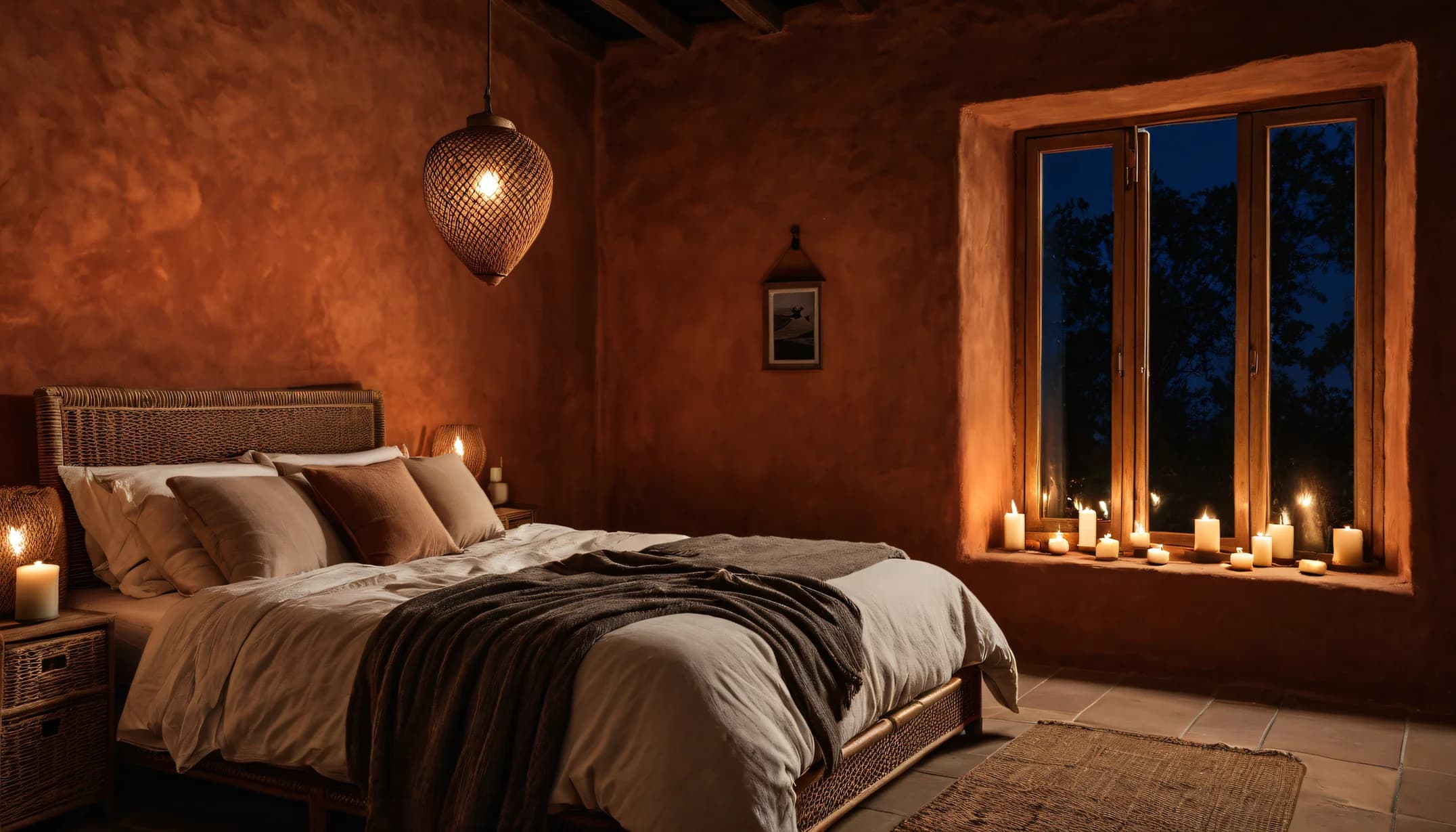
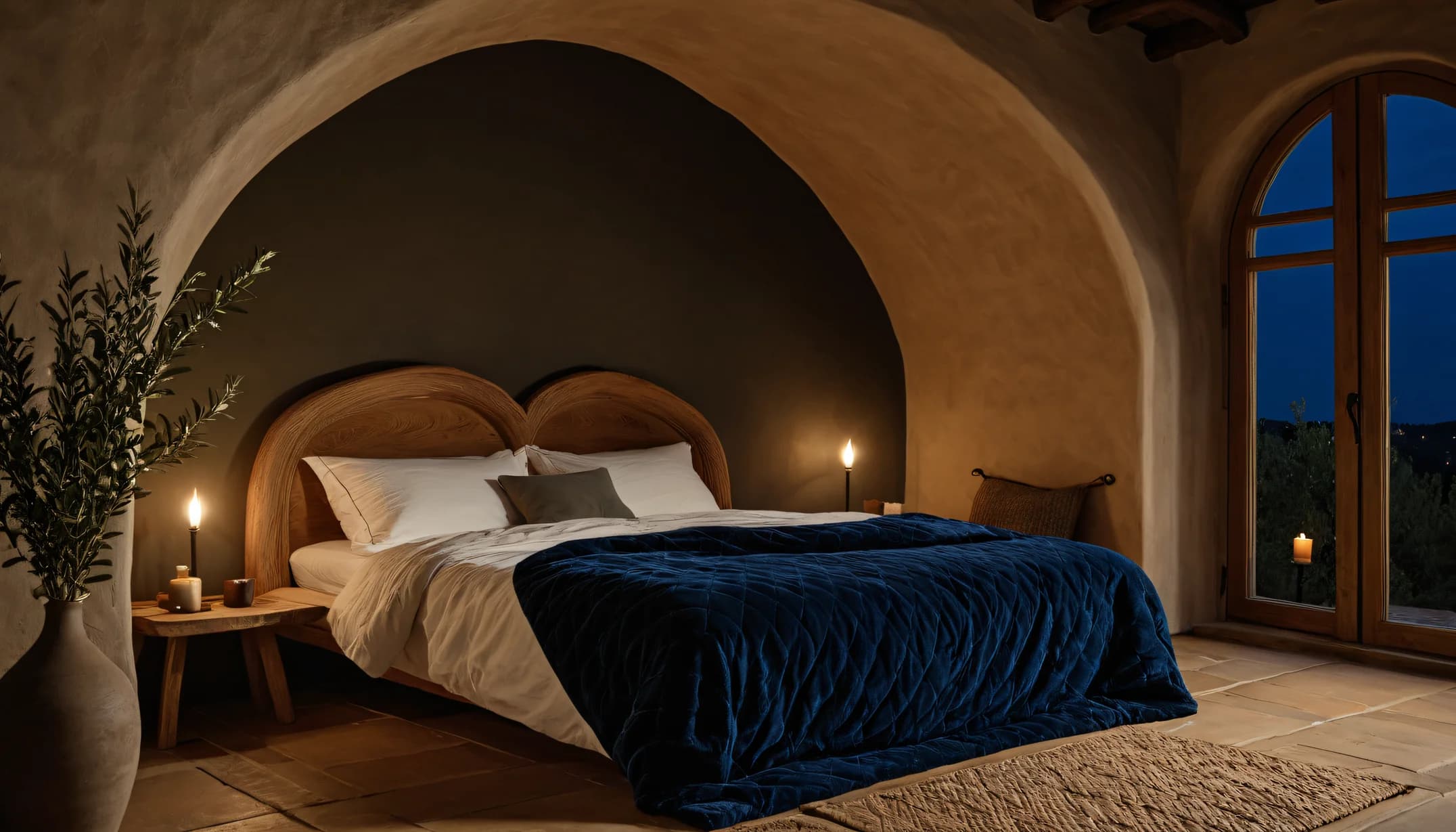
Feng shui leans toward soft, warm light and earthy, skin-friendly colors in a bedroom: sand, clay, terracotta, warm whites, muted pinks and soft greens. Bright, cool overhead light and loud, saturated colors are the opposite of what it wants.
That lines up with what we'd tell you anyway. Two lamps at bed height on warm bulbs do more for a bedroom than any ceiling fixture, and colors near skin tone flatter both of you at night. Warm bedroom lighting covers the bulbs and the dimmers, and the lighting planner works out what to buy for your room. For color, color, texture and materials for mood goes further, and the Warm Organic and Japandi looks are close to this palette already.
Mirrors, plants and water
These are the feng shui rules people ask about most.
Mirrors. The traditional advice is not to have a mirror facing the bed. Plenty of couples like one, so here's the practical version: a mirror that catches you every time you roll over, or reflects a bright window into your eyes, is worth moving. One that you choose to look into isn't a problem. If a wardrobe mirror faces the bed, a curtain or a door you can close solves it.
Plants. One or two healthy plants make a bedroom feel alive. Feng shui prefers soft, rounded leaves to spiky ones. A dying plant does the opposite of what you want, so pick something easy, like a pothos or a peace lily.
Water. Feng shui keeps water out of the bedroom: no fountains, no pictures of rough seas. A quiet room usually sounds better anyway. If you like a sound at night, a fan or a white noise machine by the door helps with privacy too.
The relationship corner
If you use a feng shui map (the bagua), one area of the bedroom is associated with love and partnership. In the version most Western designers use, it's the far right corner as you stand in the doorway. In the traditional compass version, it's the southwest corner.
The usual advice is to keep that corner clear and to decorate it in pairs: two candles, two matching prints, a pair of something you both love. Nothing single, nothing broken, nothing that reminds you of an ex.
What you can skip
Feng shui has a lot of specific rules: the exact direction your head should point, the element for each corner, which numbers are lucky. If they're meaningful to you, enjoy them. If not, you lose very little by skipping them. The changes that make a real difference are the plain ones: a protected bed, a room built for two, less clutter, softer light.
Where to start tonight
- Look at the room from the bed. Can you see the door? Is there a pile in your eyeline? Move one thing.
- Match the two sides. Same light on each side, even if it's a clip-on lamp for now.
- Clear under the bed, or put what's there into closed bins.
- Swap the overhead light for lamps for one evening and see how the room feels.
- Pick one corner for the two of you and put a pair of something there.
If you want to see your own room with these changes, the Room Designer can restyle a photo of it in a calmer, warmer look.
Scenes to try
All scenesScenes are ideas for an evening at home, each tied to a room style, with a pause word built in.
Small things, well chosen
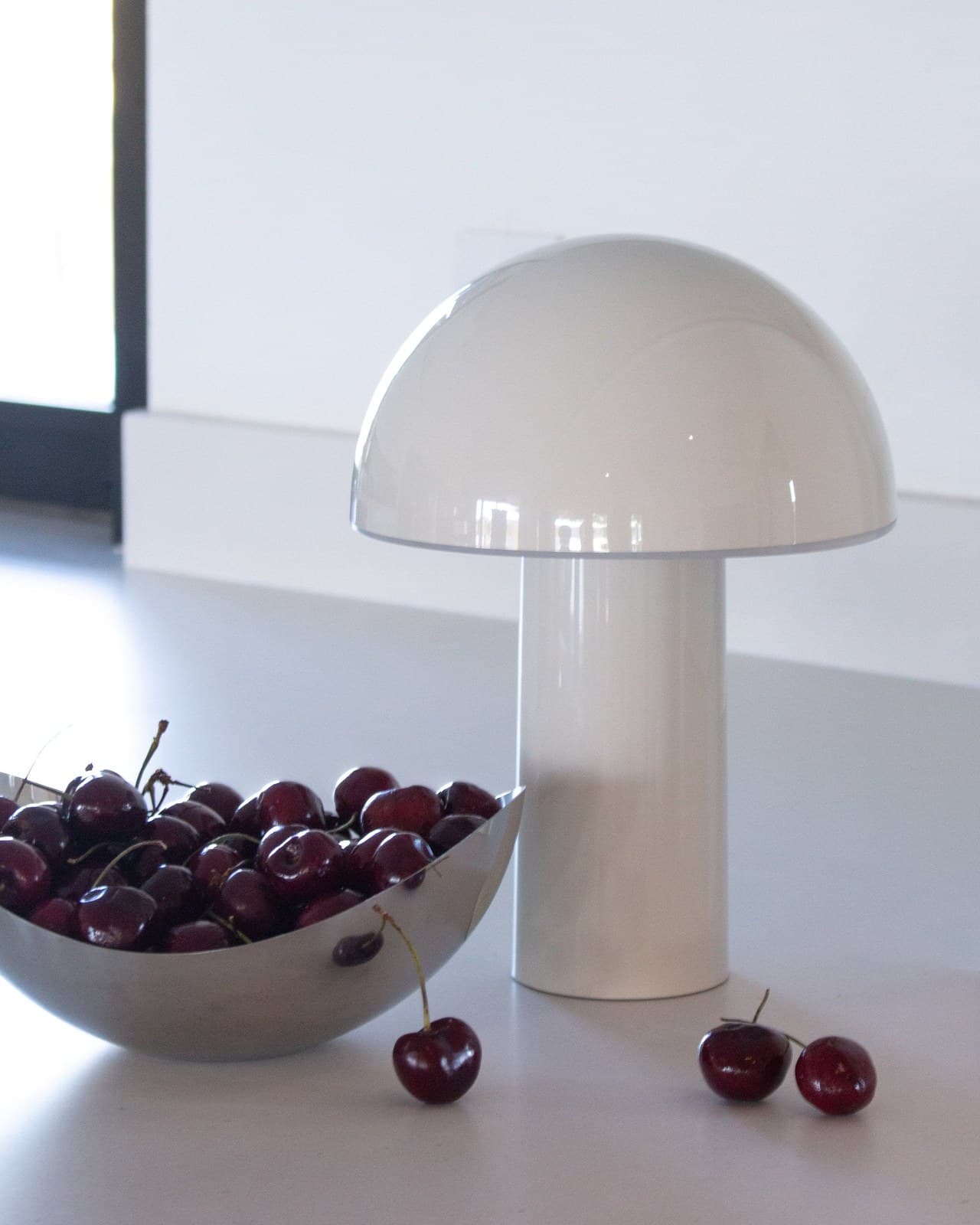
A few small pieces that do a lot of what this guide describes, each one easy to add to a room this week.
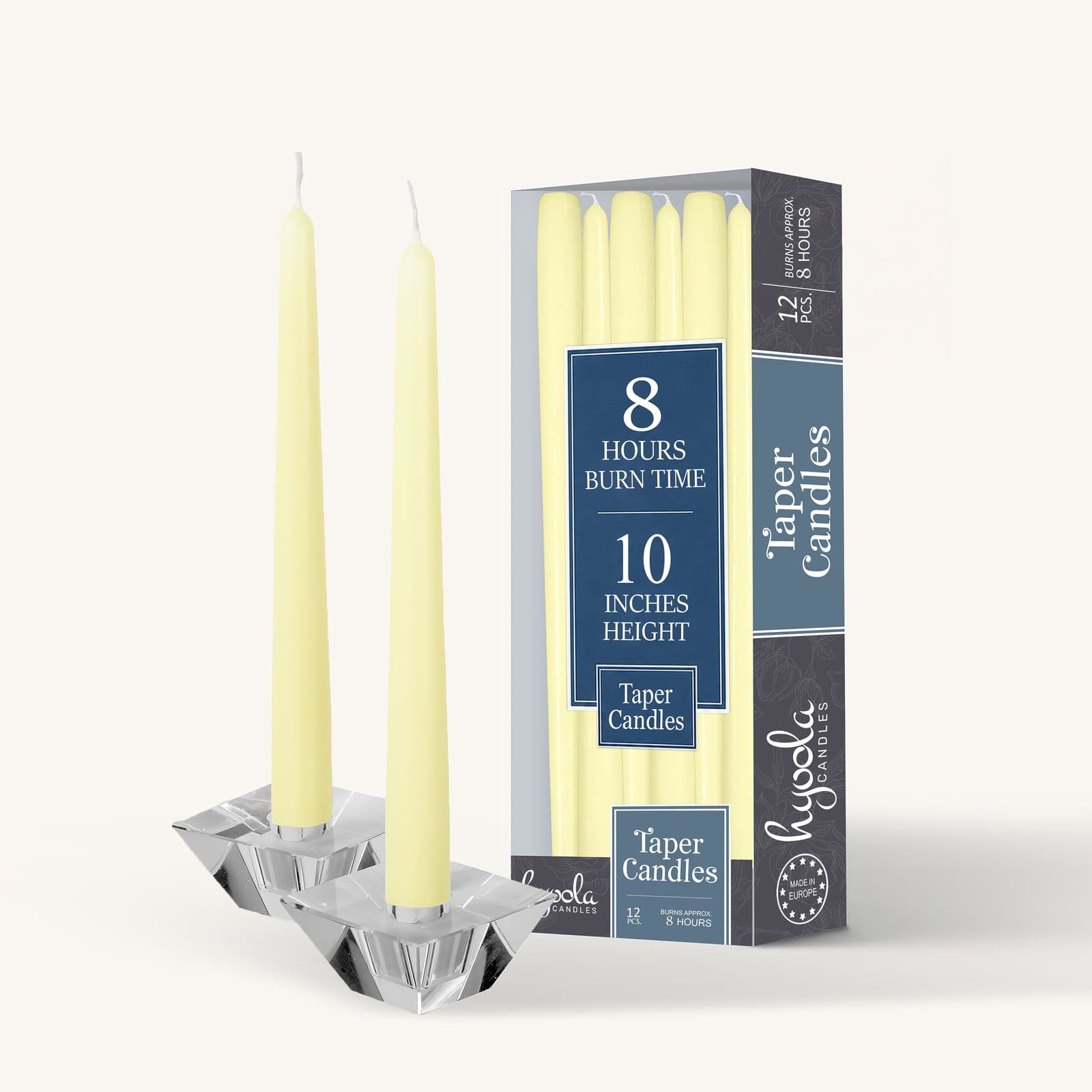
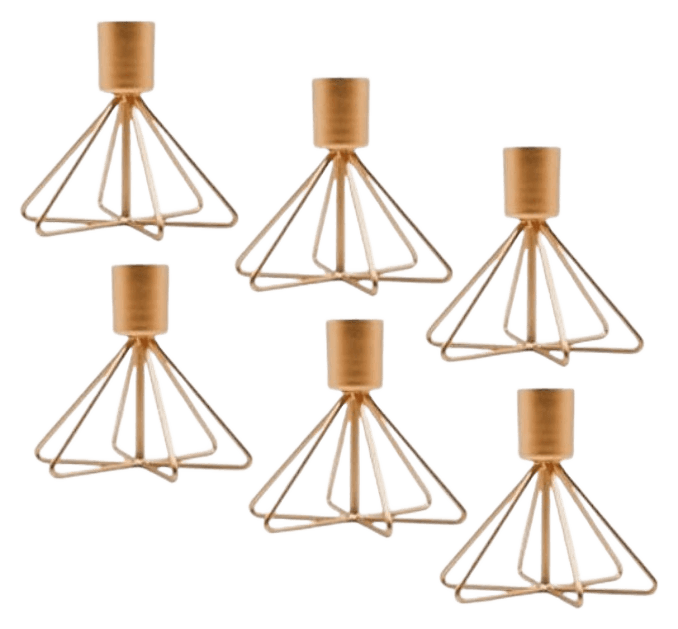
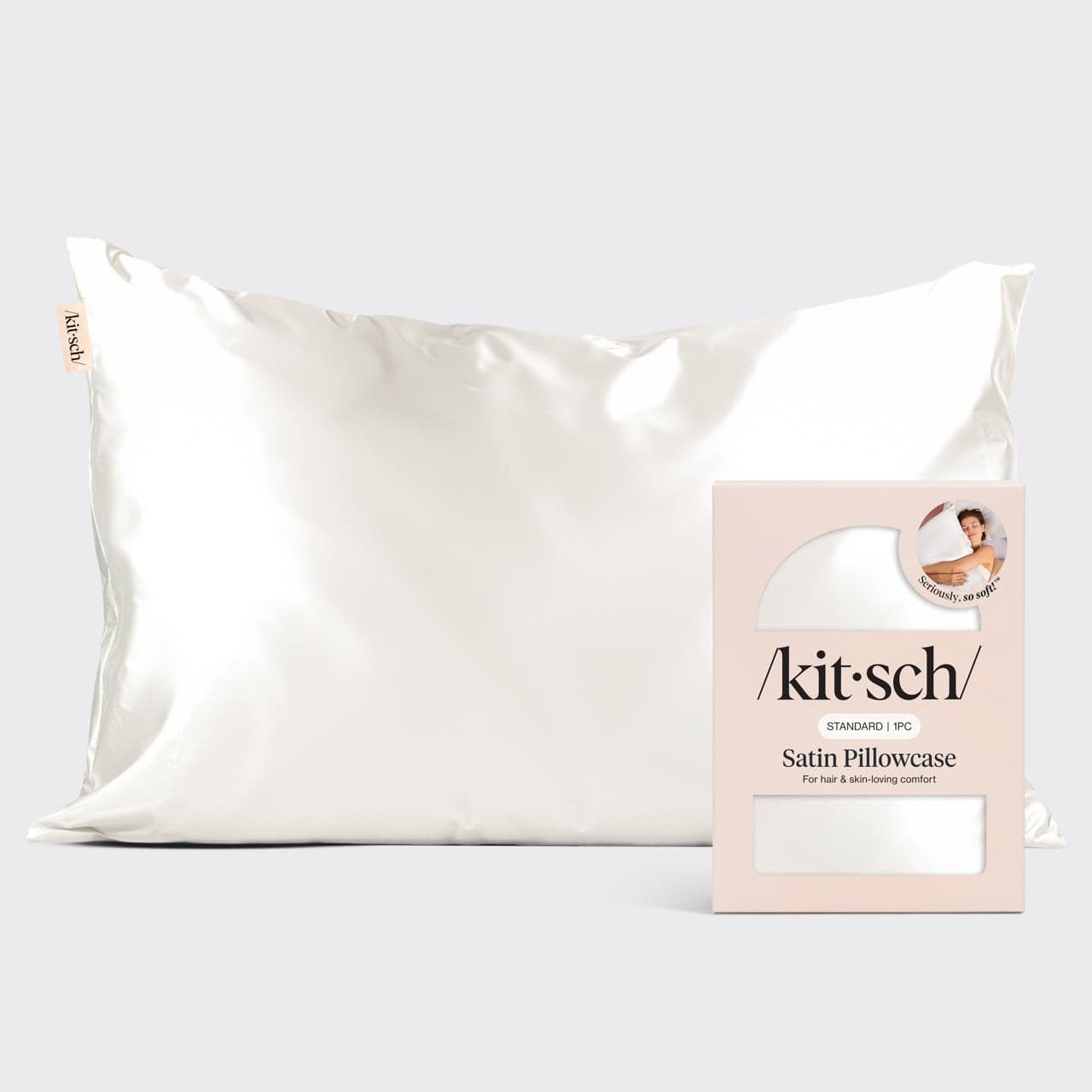
Picked by us, never paid for. We may earn a small commission if you buy.